A Beginner's Guide to Sustainable Gardening
Discover how to start your sustainable gardening journey with eco-friendly practices that nurture both your plants and the planet.
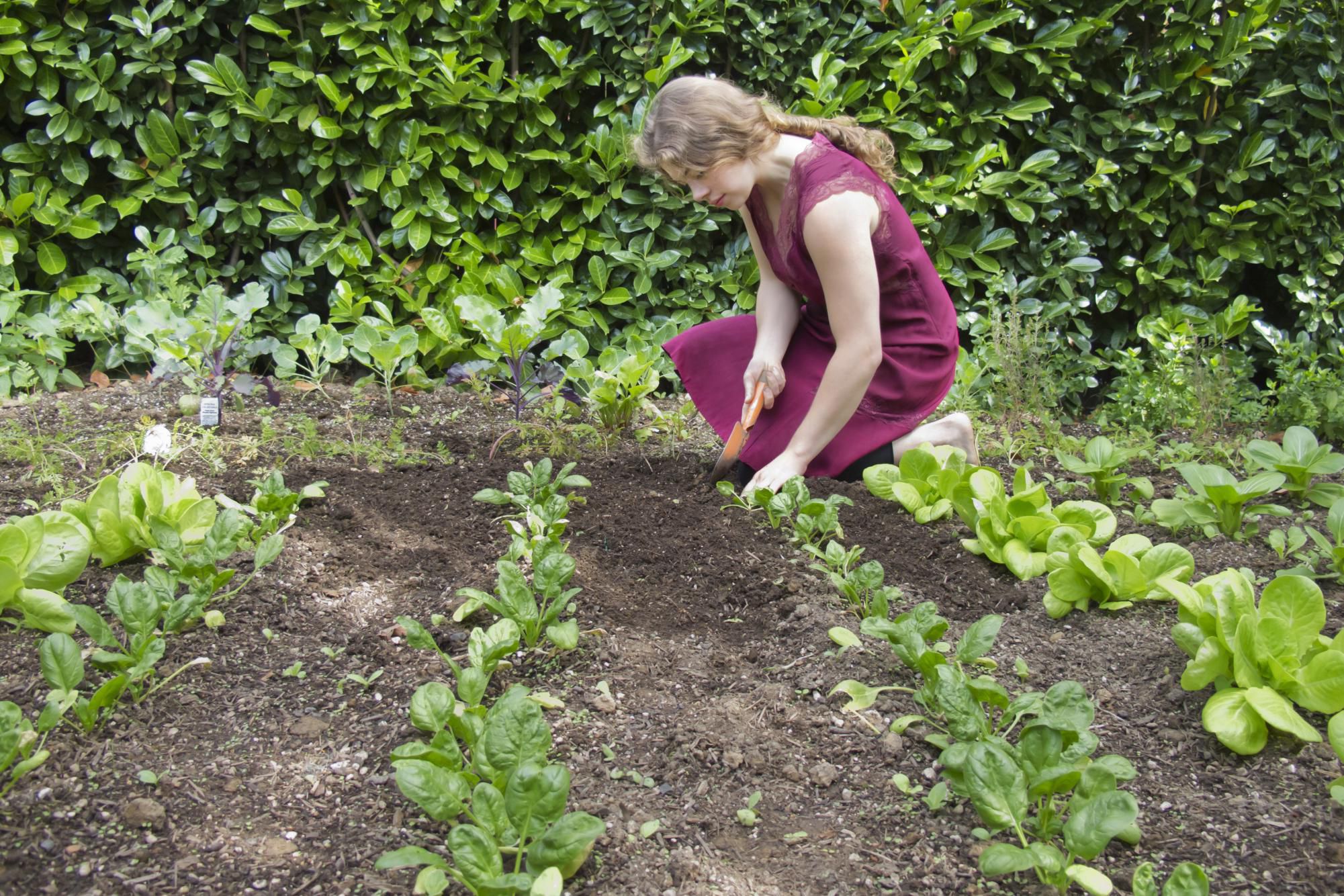
Understanding Sustainable Gardening
Sustainable gardening is a practice that focuses on creating a self-sustaining ecosystem within your garden. This approach minimizes the impact on the environment by using resources efficiently and reducing waste. The goal is to create a harmonious balance between plants, soil, water, and wildlife. By adopting sustainable gardening techniques, you can contribute to the health of the planet while enjoying the beauty and productivity of your garden. Key concepts include composting, water conservation, and native plants.
Choosing Native Plants
One of the fundamental principles of sustainable gardening is the use of native plants. These plants are adapted to the local climate and soil conditions, requiring less water and fewer chemical inputs. Native plants also provide essential habitat for local wildlife, including pollinators like bees and butterflies. When selecting plants for your garden, consider their natural habitat and growth requirements. By choosing native species, you can create a resilient garden that thrives with minimal intervention.
Water Conservation Techniques
Water is a precious resource, and conserving it is a crucial aspect of sustainable gardening. Implementing water-saving techniques such as mulching, drip irrigation, and rainwater harvesting can significantly reduce your garden's water consumption. Mulching helps retain soil moisture, while drip irrigation delivers water directly to the plant roots, minimizing evaporation. Collecting rainwater in barrels or other containers provides an eco-friendly alternative to using tap water. These practices not only save water but also reduce your utility bills.
Composting for Healthy Soil
Healthy soil is the foundation of a thriving garden, and composting is an excellent way to improve soil quality. Composting involves recycling organic waste, such as kitchen scraps and yard debris, into nutrient-rich compost. This natural fertilizer enhances soil structure, promotes beneficial microbial activity, and reduces the need for chemical fertilizers. Setting up a compost bin or pile is easy, and the benefits are immense. By composting, you can reduce landfill waste and create a sustainable source of nutrients for your garden.
Integrated Pest Management
Pest control is a common challenge for gardeners, but sustainable gardening advocates for Integrated Pest Management (IPM). This approach combines biological, cultural, physical, and chemical methods to manage pests in an environmentally friendly manner. Encouraging beneficial insects, such as ladybugs and predatory beetles, can naturally control pest populations. Crop rotation, proper plant spacing, and maintaining healthy soil can also reduce pest issues. When necessary, use organic pesticides as a last resort. IPM promotes a balanced ecosystem and minimizes harm to beneficial organisms.
Reducing Garden Waste
Minimizing waste is a key component of sustainable gardening. By adopting practices such as recycling, repurposing, and upcycling, you can reduce the amount of waste generated in your garden. For example, use fallen leaves as mulch, create garden art from discarded materials, or build raised beds from reclaimed wood. Composting is another effective way to recycle organic waste. By thinking creatively and reusing materials, you can reduce your environmental footprint and create a more sustainable garden.
Encouraging Biodiversity
Biodiversity is essential for a healthy and resilient garden ecosystem. A diverse garden attracts a wide range of pollinators, birds, and beneficial insects, which help control pests and pollinate plants. To encourage biodiversity, plant a variety of species, including flowering plants, shrubs, and trees. Create different habitats, such as ponds, rock piles, and hedgerows, to support various wildlife. Avoid using chemical pesticides and herbicides, as they can harm non-target species. By fostering biodiversity, you create a vibrant and sustainable garden.
Sustainable Garden Design
Designing your garden with sustainability in mind can enhance its beauty and functionality. Consider elements such as permaculture principles, companion planting, and edible landscaping. Permaculture focuses on designing self-sustaining systems that mimic natural ecosystems. Companion planting involves growing plants that benefit each other, such as pairing nitrogen-fixing plants with heavy feeders. Edible landscaping integrates food-producing plants into ornamental gardens. By incorporating these design principles, you can create a garden that is both productive and environmentally friendly.