Effective Time Management for Students and Professionals
Mastering time management is essential for both students and professionals to enhance productivity and achieve their goals efficiently.
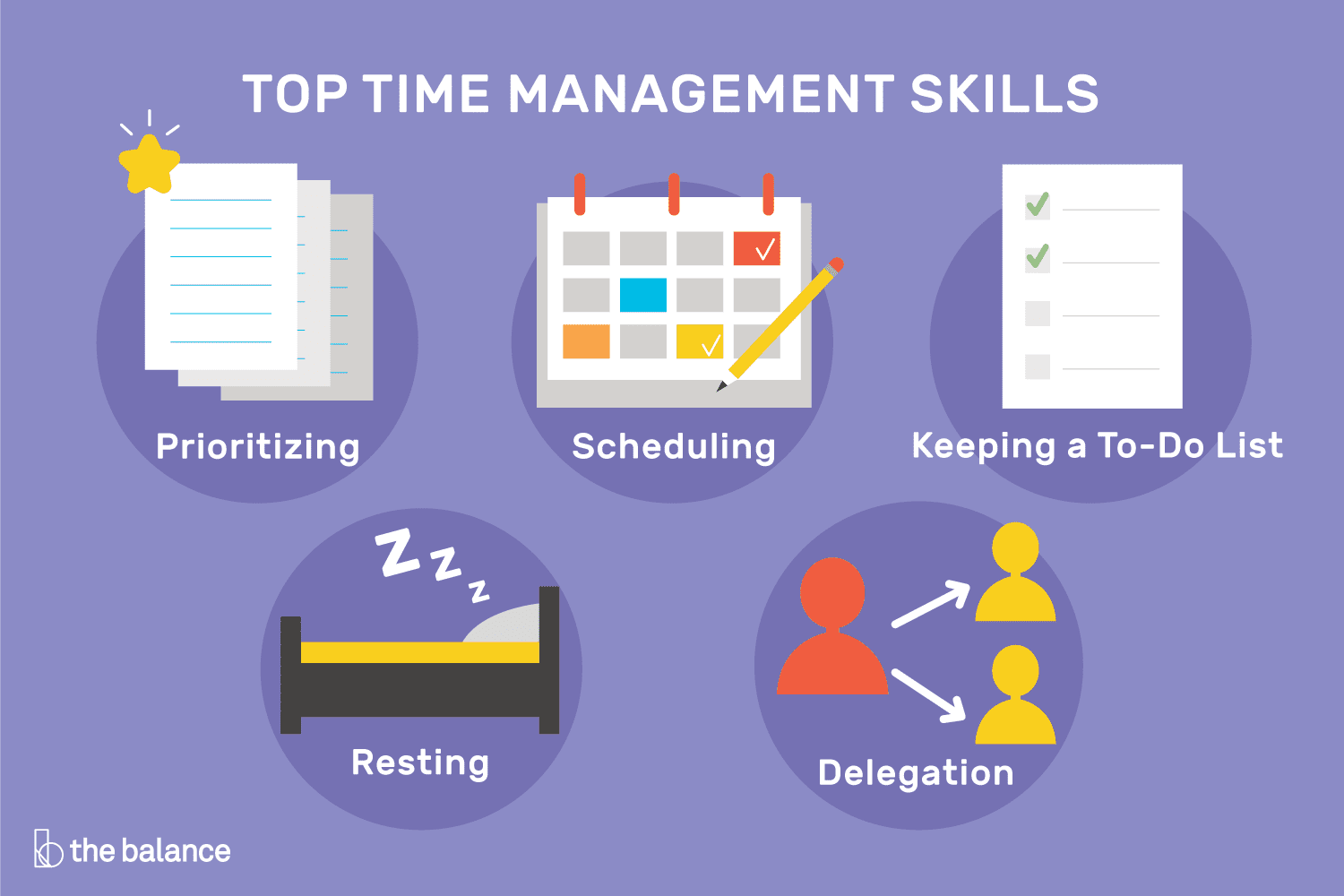
Understanding Time Management
Time management is an essential skill for both students and professionals. It involves planning and controlling how much time to spend on specific activities. Effective time management allows individuals to accomplish more in a shorter period, lowers stress, and leads to career success. By prioritizing tasks and setting clear goals, one can ensure that they make the most of their time. For students, this might mean balancing study sessions with extracurricular activities, while professionals might focus on meeting deadlines and attending meetings. Regardless of the context, mastering time management can significantly improve productivity and work-life balance.
Prioritizing Tasks
One of the most effective time management strategies is prioritization. This involves identifying the most critical tasks and focusing on them first. The Eisenhower Matrix is a popular tool for this purpose, categorizing tasks into four quadrants based on urgency and importance. By tackling high-priority tasks first, students can ensure they are prepared for exams and assignments, while professionals can meet crucial deadlines and deliverables. Additionally, breaking down large tasks into smaller, manageable steps can make them less daunting and easier to complete.
Setting SMART Goals
Setting SMART goals—Specific, Measurable, Achievable, Relevant, and Time-bound—is another crucial aspect of effective time management. This method helps individuals create clear and attainable objectives. For students, a SMART goal might be to complete a research paper within two weeks by dedicating two hours each day to it. Professionals might set a goal to improve their skills by attending a workshop or completing an online course within a month. By setting SMART goals, individuals can stay focused and motivated, ensuring they make consistent progress towards their objectives.
Avoiding Procrastination
Procrastination is a common obstacle to effective time management. It often stems from a fear of failure, perfectionism, or simply feeling overwhelmed by tasks. To overcome procrastination, it's essential to identify its root cause and develop strategies to address it. For instance, breaking tasks into smaller, more manageable parts can make them less intimidating. Using techniques like the Pomodoro Technique, where work is divided into intervals with short breaks, can also help maintain focus and productivity. By actively working to overcome procrastination, students and professionals can make better use of their time.
Utilizing Tools and Resources
There are numerous tools and resources available to aid in time management. Digital calendars, task management apps, and productivity software can help individuals organize their schedules and keep track of deadlines. For students, tools like flashcards and study apps can enhance learning efficiency. Professionals might benefit from project management software that facilitates collaboration and streamlines workflow. Additionally, time-tracking tools can provide insights into how time is spent and identify areas for improvement. By leveraging these tools, individuals can optimize their time management practices and achieve better results.
Maintaining Work-Life Balance
Maintaining a work-life balance is crucial for long-term success and well-being. While it's important to be productive, it's equally important to take time for relaxation and self-care. Students should ensure they have time for hobbies, social activities, and rest to avoid burnout. Professionals need to set boundaries between work and personal life, such as not checking emails after work hours. Regular exercise, a healthy diet, and adequate sleep are also essential components of a balanced life. By prioritizing work-life balance, individuals can sustain their productivity and enjoy a healthier, more fulfilling life.