Garden Landscaping Ideas for Small Spaces
Transform your small garden into a lush oasis with these creative landscaping ideas designed to maximize space and beauty.
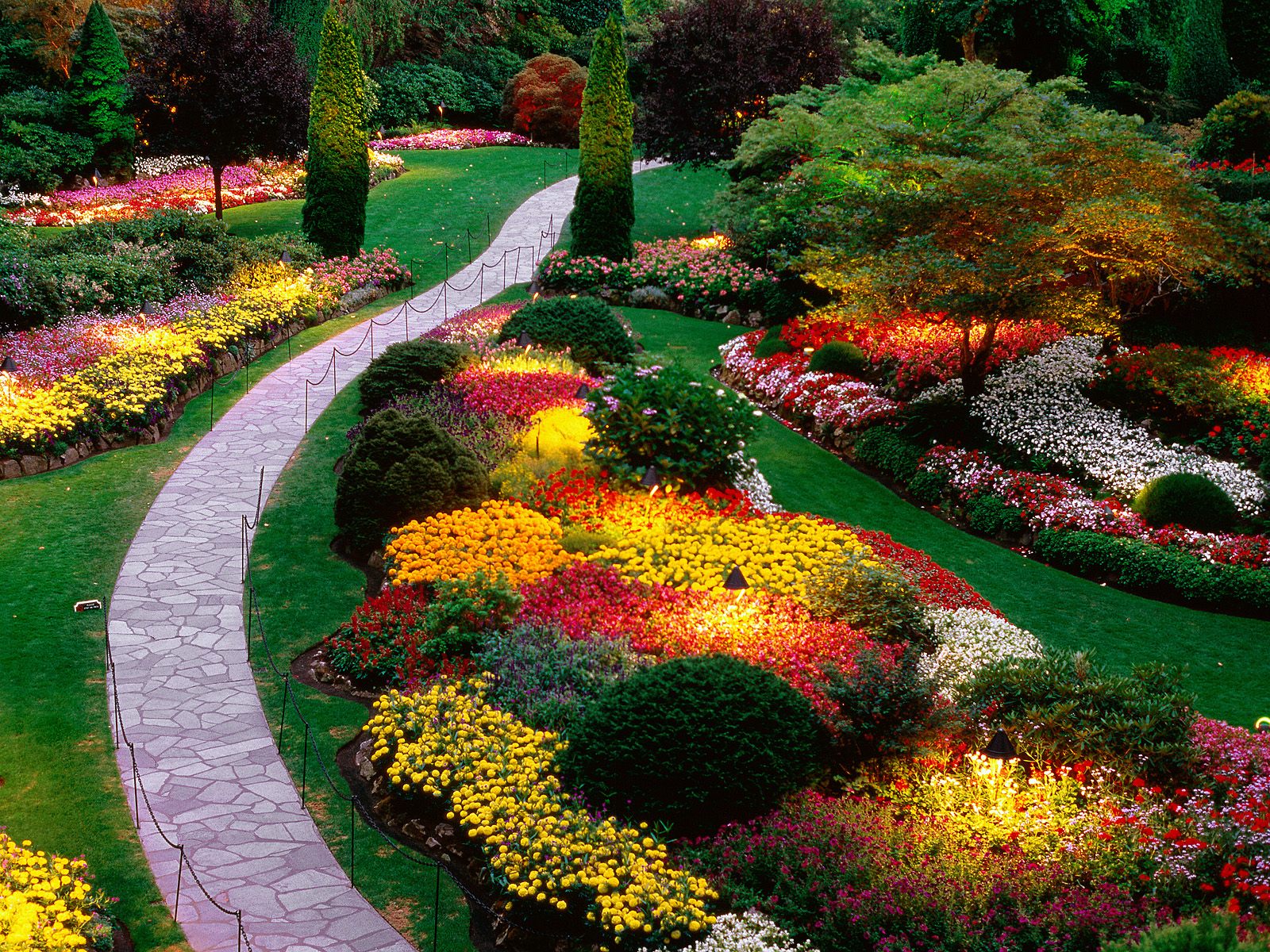
Maximizing Vertical Space
When working with small garden spaces, it's essential to think vertically. By incorporating vertical gardening techniques, you can make the most of your limited area. Consider using trellises, hanging pots, or even wall-mounted planters to grow a variety of plants. Vertical gardens are not only space-efficient but also add a unique aesthetic to your garden. They can be particularly effective for growing climbing plants like ivy, beans, or tomatoes. Don't forget to utilize fences and walls to attach planters, turning them into lush, green surfaces. This approach maximizes the use of space and creates a visually appealing garden that feels much larger than it actually is.
Container Gardening
For those with limited ground space, container gardening offers a flexible and efficient solution. Using pots, tubs, and other containers, you can grow a wide range of plants without needing a traditional garden bed. Containers can be moved around to catch the best sunlight or to change the layout of your garden as needed. This method is particularly useful for growing herbs, flowers, and even small vegetables. Ensure that your containers have good drainage and use high-quality soil to give your plants the best chance of thriving. This approach allows you to create a dynamic and adaptable garden space, perfect for small areas.
Raised Garden Beds
Raised garden beds are an excellent option for small spaces, offering better control over soil quality and drainage. By elevating your garden, you can make planting and maintenance easier, especially if you have limited mobility. Raised beds can be constructed from various materials, including wood, stone, or even recycled materials, making them a versatile choice. They also help in preventing soil compaction and can be filled with a custom soil mix tailored to the needs of your plants. This method is ideal for growing vegetables, herbs, and flowers in a confined space, providing a well-organized and productive garden.
Companion Planting
Companion planting is a technique that involves growing different plants together to enhance growth, deter pests, and improve yields. In small garden spaces, this method can be particularly beneficial. By carefully selecting plant combinations, you can maximize the productivity of your garden. For example, planting basil alongside tomatoes can help repel pests, while beans can add nitrogen to the soil, benefiting nearby plants. This strategy not only makes efficient use of space but also promotes a healthier garden ecosystem. Researching compatible plants and planning your garden layout accordingly can lead to a more bountiful and harmonious garden.
Multi-Functional Furniture
Incorporating multi-functional furniture into your garden design can help you make the most of a small space. Look for items that serve more than one purpose, such as benches with built-in storage or tables that double as planters. This approach allows you to enjoy your garden while keeping it organized and clutter-free. Foldable or stackable furniture can also be a great option, providing flexibility and ease of storage when not in use. By selecting versatile pieces, you can create a functional and inviting garden area that maximizes every inch of available space.
Use of Mirrors and Reflective Surfaces
Adding mirrors and reflective surfaces to your garden can create the illusion of more space. Strategically placing mirrors on walls or fences can reflect light and greenery, making your garden appear larger and more open. Reflective materials like stainless steel or glass can also be used in garden décor and furniture to enhance this effect. This technique not only adds a sense of depth but also brightens up shaded areas by reflecting sunlight. By incorporating reflective elements, you can transform a small garden into a visually expansive and inviting outdoor space.
Layering Plants
Layering plants is a technique that involves arranging plants of different heights and types to create a lush, multi-dimensional garden. In small spaces, this method can help you maximize the use of vertical and horizontal space. Start with taller plants or shrubs at the back, followed by medium-sized plants, and finally, ground covers or low-growing plants at the front. This arrangement creates a sense of depth and fullness, making your garden feel more substantial. Layering also allows you to create microclimates within your garden, providing optimal growing conditions for a variety of plants.
Incorporating Water Features
Even in a small garden, a water feature can add a touch of tranquility and elegance. Consider installing a small fountain, birdbath, or pond to create a focal point and attract wildlife. Water features can be designed to fit any space, from a compact corner to a central spot in your garden. The sound of flowing water adds a soothing ambiance, making your garden a peaceful retreat. Additionally, water features can help cool the surrounding area, creating a more comfortable environment for both plants and people. By incorporating a water feature, you can enhance the beauty and serenity of your small garden.