Healthy Eating on a Budget: Tips and Tricks
Discover practical tips and tricks for maintaining a healthy diet without breaking the bank. Eat well, spend less, and stay healthy.
Plan Your Meals
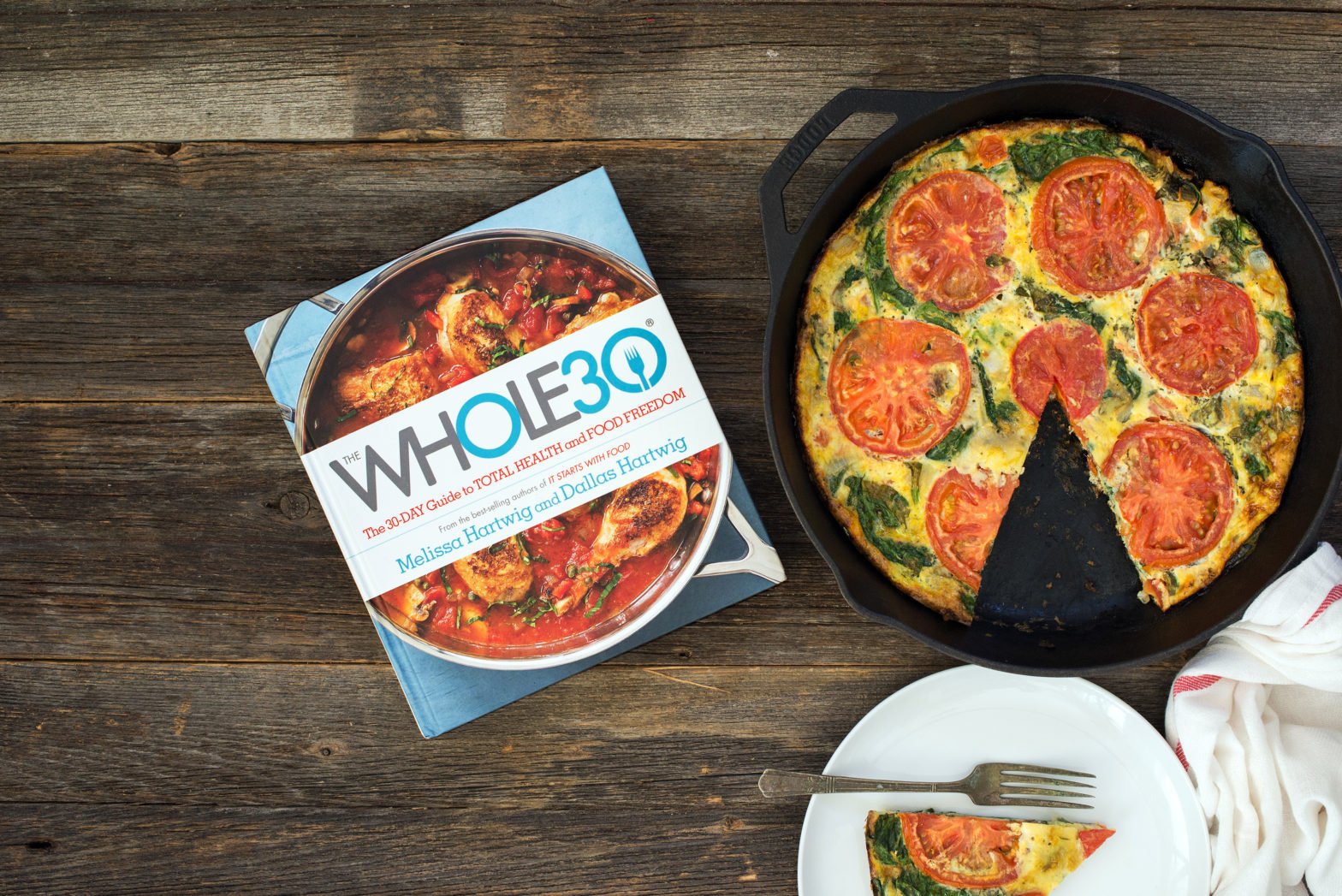
One of the most effective ways to eat healthy on a budget is to plan your meals in advance. By taking the time to map out what you'll eat for the week, you can create a shopping list that helps you avoid impulse buys and stick to your budget. Focus on incorporating nutrient-dense foods like fruits, vegetables, whole grains, and lean proteins. Meal planning also allows you to take advantage of sales and seasonal produce, which can significantly reduce your grocery bill. Consider preparing meals in bulk and freezing portions for later use, which not only saves money but also time during busy weeks.
Buy in Bulk
Purchasing food items in bulk can lead to significant savings, especially for non-perishable items like grains, beans, and nuts. Many stores offer bulk bins where you can buy exactly the amount you need, reducing both cost and food waste. When buying perishable items in bulk, such as meat or dairy, make sure to store them properly to extend their shelf life. For example, you can freeze portions of meat or cheese for later use. Additionally, consider joining a wholesale club or cooperative to gain access to bulk purchasing options that are not available in regular grocery stores.
Embrace Seasonal and Local Produce
Eating fruits and vegetables that are in season and locally grown can be more affordable and fresher than out-of-season or imported options. Local farmers' markets often offer competitive prices on produce, and some may even accept food assistance programs. Seasonal produce not only tastes better but also retains more nutrients. Create a list of your favorite seasonal recipes to ensure you're making the most of what's available. In addition, consider growing your own vegetables and herbs if you have the space; this can be a fun and rewarding way to save money on fresh produce.
Opt for Generic Brands
When shopping on a budget, don't overlook generic or store-brand products. These items are often just as good as their name-brand counterparts but come at a fraction of the cost. Look for generic versions of staples like rice, pasta, canned goods, and dairy products. Many stores also offer organic or natural options under their store brands, allowing you to eat healthily without breaking the bank. To ensure you're getting a good deal, compare the ingredient lists and nutritional information of generic and name-brand products. You'll often find that the differences are minimal, if any.
Cook at Home
Cooking at home is one of the most effective ways to control your food budget and ensure you're eating healthy. Restaurant meals and takeout can quickly add up, both in cost and in unhealthy ingredients. By preparing your meals, you can control portion sizes, ingredients, and cooking methods. Invest in basic kitchen equipment like a good knife, cutting board, and pots and pans to make cooking easier and more enjoyable. Experiment with different cuisines and cooking techniques to keep meals interesting and varied. Additionally, cooking in larger batches and using leftovers creatively can help stretch your food budget even further.
Reduce Food Waste
Minimizing food waste is crucial for maintaining a healthy diet on a budget. Start by organizing your pantry, fridge, and freezer to keep track of what you have and use it before it goes bad. Plan meals around ingredients you already have on hand to avoid unnecessary purchases. Get creative with leftovers by incorporating them into new dishes, such as soups, stews, or stir-fries. Properly storing food in airtight containers can also help extend its shelf life. Consider keeping a list of expiration dates for perishable items to ensure you use them in time. Reducing food waste not only saves money but also helps the environment.
Shop Smart
Shopping smart means being strategic about where and how you buy your groceries. Start by making a shopping list based on your meal plan and stick to it to avoid impulse buys. Take advantage of sales, discounts, and coupons, but only for items you genuinely need. Consider shopping at discount grocery stores or ethnic markets, which often offer lower prices on staples and fresh produce. Buying frozen fruits and vegetables can also be a cost-effective alternative to fresh produce, as they are often cheaper and just as nutritious. Always compare prices per unit to ensure you're getting the best deal.
Make Simple Swaps
Making simple swaps in your diet can help you eat healthier without spending more. For example, replace sugary snacks with fresh fruit or whole-grain crackers. Choose water or homemade iced tea instead of sugary beverages. Opt for lean proteins like beans, lentils, or eggs instead of more expensive meats. Incorporate more plant-based meals into your diet, which can be both healthy and budget-friendly. Experiment with different herbs and spices to add flavor without relying on expensive sauces or dressings. By making these small changes, you can improve your diet and save money at the same time.