How to Choose the Perfect Indoor Plants for Your Home
Learn how to choose the perfect indoor plants for your home by considering light, maintenance, size, and style preferences.
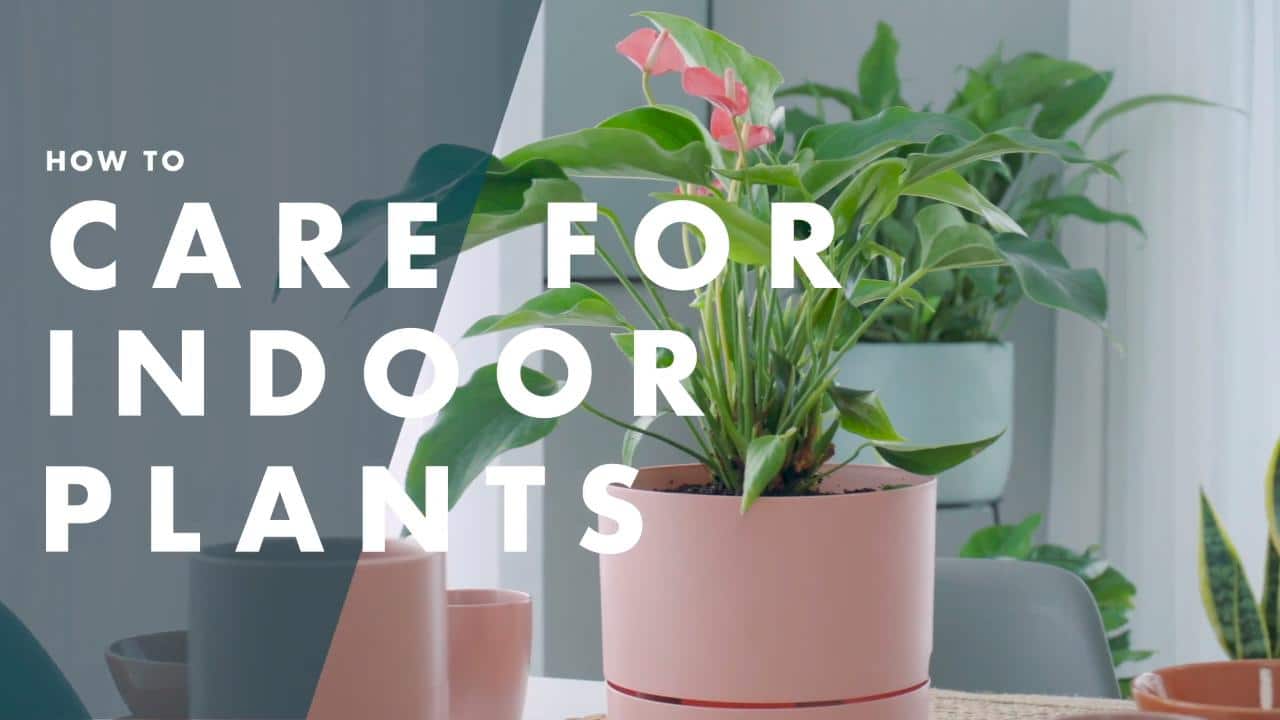
Understanding Your Space
When choosing the perfect indoor plants for your home, the first step is to understand your space. Different plants thrive in different environments, so it's crucial to assess the lighting, temperature, and humidity levels in your home. For instance, if you have a lot of natural light, you might opt for sun-loving plants like succulents or cacti. On the other hand, if your home is mostly shaded, consider low-light plants such as snake plants or pothos. Additionally, consider the size of your space. Large plants can make a bold statement in spacious rooms, while smaller plants are ideal for compact areas like bathrooms or shelves. Understanding these elements will help you select plants that not only survive but also thrive in your home.
Assessing Your Lifestyle
Another critical factor in choosing indoor plants is to assess your lifestyle. Some plants require more care and attention, while others are more low-maintenance. If you travel frequently or have a busy schedule, opt for hardy plants that can withstand neglect, such as ZZ plants or spider plants. Conversely, if you enjoy gardening and have the time to dedicate to plant care, you might choose more delicate species like orchids or ferns. Additionally, consider whether you have pets or small children, as some plants can be toxic if ingested. By aligning your plant choices with your lifestyle, you can ensure that your indoor garden is both beautiful and manageable.
Considering Aesthetic Appeal
The aesthetic appeal of your indoor plants is another important consideration. Plants can significantly enhance the decor of your home, adding color, texture, and life to your space. Think about the overall style of your home and choose plants that complement it. For a minimalist or modern look, consider plants with clean lines and simple shapes, such as fiddle leaf figs or snake plants. If your home has a more eclectic or bohemian vibe, you might opt for trailing plants like ivy or philodendrons. Additionally, consider the color of the plants and how they will coordinate with your existing decor. By thoughtfully selecting plants that enhance your home's aesthetic, you can create a cohesive and inviting atmosphere.
Understanding Plant Care Requirements
Understanding the care requirements of different plants is essential for their long-term health and growth. Each plant has specific needs in terms of watering, fertilizing, and pruning. For example, succulents and cacti require infrequent watering and well-draining soil, while tropical plants like ferns and palms need consistent moisture and higher humidity. Additionally, some plants may need regular pruning to maintain their shape and encourage new growth. Researching the care requirements of your chosen plants will help you create a care routine that keeps them healthy and thriving. It's also helpful to invest in basic plant care tools such as watering cans, pruning shears, and humidity trays.
Considering Air Quality Benefits
One of the great benefits of indoor plants is their ability to improve air quality. Many plants are known for their air-purifying properties, which can help remove toxins and improve the overall air quality in your home. For instance, spider plants, peace lilies, and snake plants are all excellent at filtering out common indoor pollutants like formaldehyde and benzene. Adding these types of plants to your home can create a healthier living environment, especially in areas where you spend a lot of time, such as bedrooms or living rooms. By choosing plants with air-purifying qualities, you not only enhance your home's aesthetic but also contribute to a healthier indoor atmosphere.
Budget Considerations
When selecting indoor plants, it's important to consider your budget. Plants can range significantly in price, depending on their size, rarity, and care requirements. Set a budget before you start shopping to help narrow down your options. Additionally, consider the long-term costs associated with plant care, such as soil, pots, fertilizers, and other supplies. If you're on a tight budget, look for hardy, low-maintenance plants that are less likely to require replacement. You might also consider propagating plants from cuttings, which can be a cost-effective way to expand your indoor garden. By being mindful of your budget, you can enjoy the benefits of indoor plants without overspending.
Exploring Different Plant Varieties
Finally, take the time to explore different plant varieties to find the perfect fit for your home. There are countless types of indoor plants to choose from, each with its unique characteristics and benefits. Visit local nurseries, garden centers, or online plant shops to discover a wide range of options. Don't be afraid to ask for advice from experts or fellow plant enthusiasts. Consider starting with a few easy-to-care-for plants and gradually expanding your collection as you become more confident in your plant care skills. By exploring different plant varieties, you can create a diverse and vibrant indoor garden that brings joy and beauty to your home.