How to Start a Vegetable Garden in Your Backyard
Learn the essential steps to start your own vegetable garden in your backyard, from planning and soil preparation to planting and maintenance.
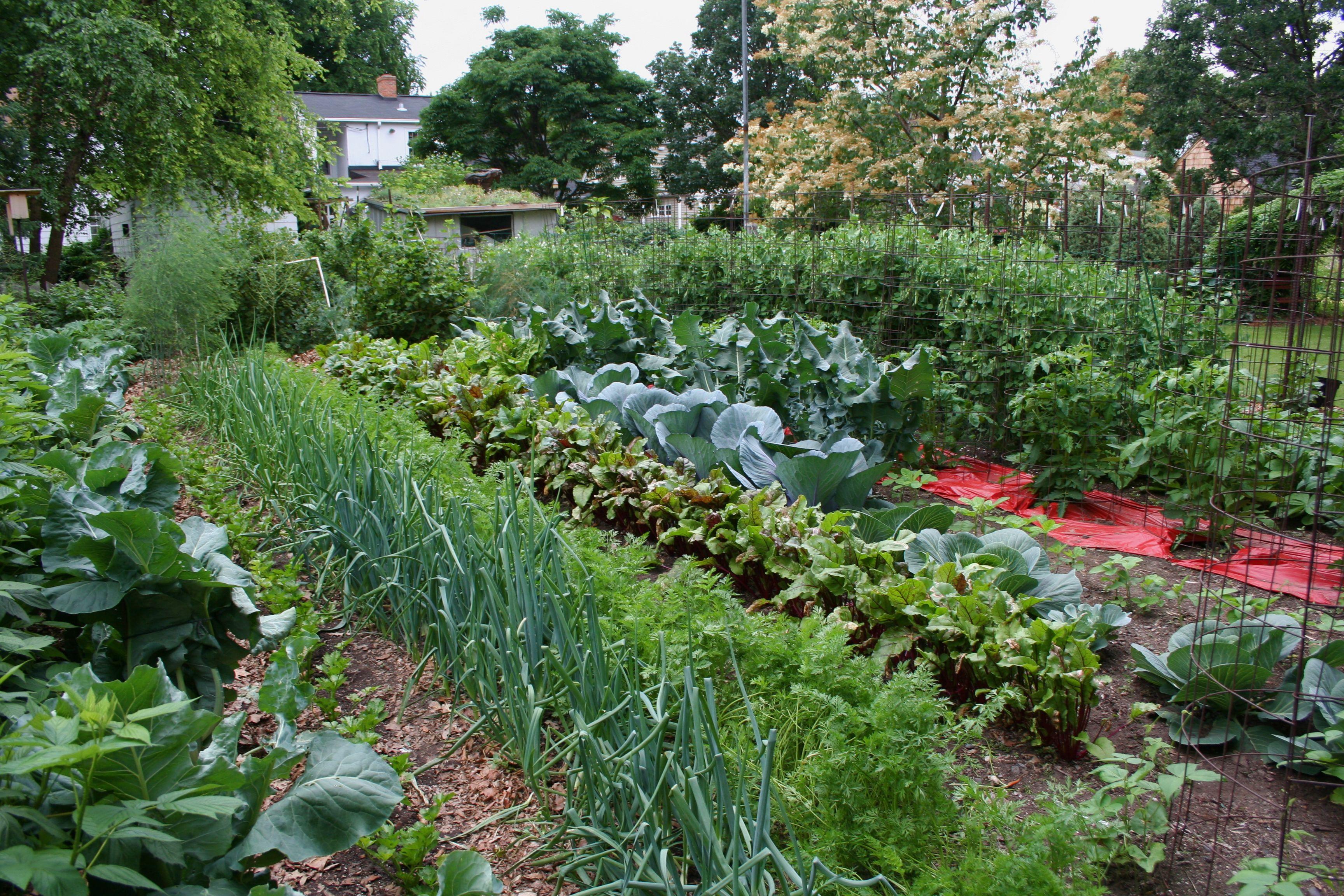
Planning Your Vegetable Garden
Starting a vegetable garden in your backyard requires careful planning. Begin by assessing the available space and determining the amount of sunlight it receives. Most vegetables need at least 6-8 hours of sunlight daily. Consider the layout and decide whether you want raised beds, traditional rows, or container gardening. Research which vegetables grow best in your climate and soil type. Sketch a plan to visualize the placement of each vegetable. Planning your garden layout helps in maximizing space and ensuring each plant gets adequate sunlight and nutrients.
Preparing the Soil
Healthy soil is the foundation of a successful vegetable garden. Start by testing your soil's pH and nutrient levels. You can purchase a soil testing kit or send a sample to a local extension service. Based on the results, amend the soil with organic matter like compost, manure, or peat moss to improve its fertility and structure. Proper soil preparation ensures good drainage and aeration, which are essential for root development. Till or turn the soil to a depth of at least 12 inches to incorporate the amendments thoroughly.
Choosing the Right Vegetables
Select vegetables that you and your family enjoy eating and that are suitable for your growing conditions. Consider the growing season, space requirements, and maintenance needs of each vegetable. Some easy-to-grow options for beginners include tomatoes, lettuce, carrots, and beans. Look for disease-resistant varieties to minimize pest problems. Stagger planting times for a continuous harvest throughout the season. Mix quick-growing vegetables like radishes with slower-growing ones like peppers to make the most of your garden space.
Planting Your Vegetables
Timing is crucial when planting your vegetable garden. Follow the planting dates recommended for your region, which you can find on seed packets or gardening guides. Start seeds indoors for plants with a long growing season, such as tomatoes and peppers, and transplant them outdoors after the last frost date. Direct sow seeds for quick-growing vegetables like beans and lettuce. Space the plants according to the guidelines to ensure they have enough room to grow. Water the seeds and seedlings gently to avoid displacing them.
Watering and Fertilizing
Consistent watering is vital for a healthy vegetable garden. Water your garden early in the morning to reduce evaporation and allow the plants to dry before evening, preventing fungal diseases. Use a soaker hose or drip irrigation system to deliver water directly to the soil, reducing water waste. Mulch around the plants to retain moisture and suppress weeds. Fertilize your garden with organic options like compost tea or fish emulsion, following the recommended application rates. Avoid over-fertilizing, which can lead to excessive foliage growth and reduced yields.
Managing Pests and Diseases
Preventing and managing pests and diseases is crucial for maintaining a productive vegetable garden. Start by choosing disease-resistant varieties and practicing crop rotation to reduce the risk of soil-borne diseases. Inspect your plants regularly for signs of pests or diseases. Use organic pest control methods like hand-picking insects, using insecticidal soap, or introducing beneficial insects like ladybugs. Remove and destroy any infected plants to prevent the spread of diseases. Keep your garden clean and free of debris where pests can hide.
Harvesting Your Vegetables
Harvesting your vegetables at the right time ensures the best flavor and nutritional value. Each vegetable has its own harvesting guidelines, so familiarize yourself with the specifics for each plant. For example, tomatoes should be picked when fully colored but still firm, while lettuce is best harvested when the leaves are young and tender. Use sharp scissors or pruners to avoid damaging the plants. Regular harvesting encourages continuous production. Store your harvested vegetables properly to extend their freshness and enjoy them at their peak.
Maintaining Your Garden
A successful vegetable garden requires ongoing maintenance. Regularly weed your garden to prevent competition for nutrients and water. Thin out overcrowded seedlings to allow proper growth. Keep an eye on weather conditions and provide protection during extreme weather, such as covering plants during frost or providing shade during intense heat. Prune plants as needed to improve air circulation and reduce disease risk. Rotate crops each year to maintain soil health and reduce pest problems. With consistent care and attention, your vegetable garden will thrive and provide a bountiful harvest.