How Wearable Technology is Changing the Way We Live
Wearable technology is revolutionizing health, fitness, communication, and daily convenience in our lives.
The Rise of Wearable Technology
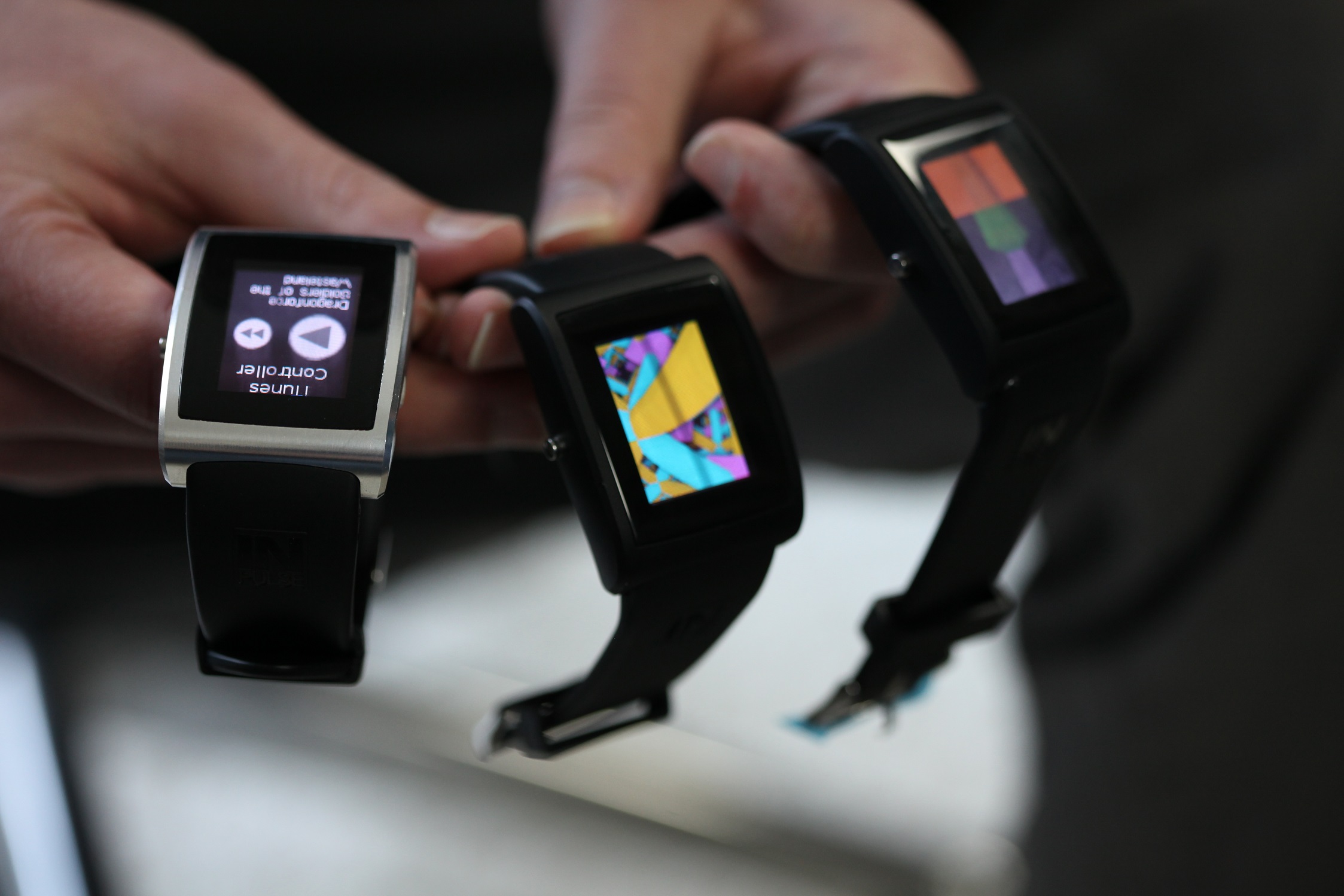
Wearable technology has rapidly evolved from niche gadgets to mainstream essentials, reshaping how we interact with the world. Smartwatches, fitness trackers, and even smart clothing have become integral parts of our daily lives. These devices offer a seamless blend of fashion and functionality, providing real-time data and connectivity. The rise of wearables is driven by their ability to enhance productivity, health, and communication. They have transformed from simple step counters to sophisticated health monitors and personal assistants. As technology advances, wearables are becoming more intuitive, integrating features such as voice commands and gesture controls. This evolution is paving the way for a future where technology is not just something we use, but something we wear and rely on every day.
Enhancing Health and Fitness
One of the most significant impacts of wearable technology is its role in health and fitness. Devices like fitness trackers and smartwatches monitor vital signs, track physical activity, and even offer personalized workout recommendations. This constant stream of data empowers individuals to take control of their health, encouraging more active lifestyles. Wearables can detect irregular heartbeats, monitor sleep patterns, and measure stress levels, providing insights that were previously only available through medical professionals. The convenience of having a health monitor on your wrist or embedded in your clothing allows for a proactive approach to wellness. This shift from reactive to preventive health care is revolutionizing how we manage our physical and mental well-being.
Revolutionizing Communication
Wearable technology is transforming the way we communicate. Smartwatches and smart glasses offer hands-free communication, enabling users to make calls, send messages, and receive notifications without reaching for their phones. This always-on connectivity ensures that we stay connected, even when our hands are full. Wearables are also playing a crucial role in the development of new communication methods, such as augmented reality (AR) and virtual reality (VR), which are being integrated into devices like smart glasses. These innovations are set to redefine how we interact with digital content, offering immersive experiences that were once the realm of science fiction. The convenience and immediacy of wearable communication tools are setting new standards for personal and professional interactions.
Personalizing User Experiences
The ability of wearable technology to personalize user experiences is a game-changer. By collecting data on user habits and preferences, wearables can offer tailored suggestions and insights. Whether it's recommending a new workout routine, suggesting a healthier diet, or providing personalized entertainment options, wearables are making life more convenient and enjoyable. This personalization extends to user interfaces, with devices adapting to individual preferences for seamless interaction. The integration of artificial intelligence (AI) in wearables is further enhancing personalization, allowing devices to learn and anticipate user needs over time. As this technology continues to develop, the line between technology and personal assistant is blurring, offering unprecedented levels of customization.
Transforming Workplace Productivity
In the workplace, wearable technology is boosting productivity and efficiency. Devices like smartwatches and wearable augmented reality systems provide workers with real-time information and hands-free access to tools and data. This is particularly beneficial in industries like manufacturing, logistics, and healthcare, where hands-on tasks are common. Wearables can enhance safety by monitoring environmental conditions and worker vitals, alerting them to potential hazards. They also facilitate better communication and coordination among team members, improving workflow and reducing downtime. As businesses continue to adopt wearable technology, the potential for increased productivity and enhanced safety becomes increasingly apparent, promising significant returns on investment.
Driving Innovations in Fashion
Wearable technology is not only about functionality but also about fashion. The fusion of technology with fashion has led to the creation of smart clothing and accessories that are both stylish and functional. Designers and tech companies are collaborating to create wearables that appeal to fashion-conscious consumers while offering technological benefits. From jackets that charge your phone to shoes that track your steps, wearable technology is making its mark on the fashion industry. This trend is encouraging innovation, pushing the boundaries of what clothing can do. As the demand for stylish yet functional wearables grows, we can expect to see even more groundbreaking designs that blend aesthetics with technology.
Impact on Entertainment and Gaming
The entertainment and gaming industries are experiencing a transformation thanks to wearable technology. Devices such as VR headsets and AR glasses are providing immersive experiences that were previously unimaginable. These wearables offer users the ability to step into virtual worlds, enhancing gaming experiences and opening new possibilities for storytelling and content creation. The integration of haptic feedback and motion tracking in wearables further enriches these experiences, providing a sense of presence and interaction. As the technology behind wearables continues to advance, the line between reality and virtual experiences will continue to blur, offering endless possibilities for entertainment and gaming enthusiasts.
Future Prospects and Challenges
As wearable technology continues to evolve, its potential to further transform our lives is immense. However, with this growth come challenges, such as privacy concerns and the need for robust data security. As wearables collect vast amounts of personal data, ensuring this information is protected is crucial. Additionally, the rapid pace of technological advancement requires continuous innovation to keep up with consumer demands and expectations. Despite these challenges, the future of wearable technology is bright, with the potential to improve quality of life, enhance productivity, and drive innovation across various sectors. As we embrace these devices, the way we live, work, and interact with the world around us will continue to evolve, shaping a future that is more connected and efficient.