The Connection Between Diet and Mental Health
Discover how your diet can significantly impact your mental health, and learn which foods to incorporate for a healthier mind.
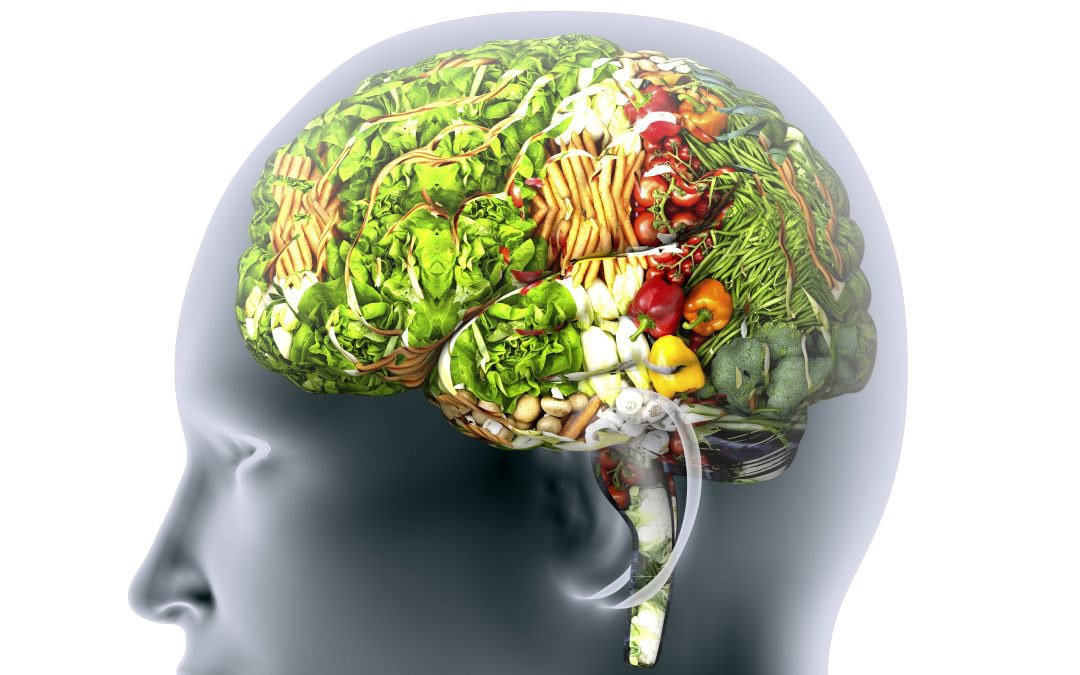
The Importance of a Balanced Diet
A balanced diet is crucial for maintaining overall health, but its impact on mental health is often overlooked. Consuming a variety of nutrient-dense foods can significantly influence mood, energy levels, and cognitive function. Nutrients such as omega-3 fatty acids, vitamins, and minerals play essential roles in brain function. For instance, omega-3 fatty acids, found in fish and flaxseeds, are known to support brain health by reducing inflammation and promoting neuronal growth. Similarly, vitamins like B6, B12, and folate are vital for producing neurotransmitters that regulate mood. A diet rich in fruits, vegetables, lean proteins, and whole grains provides the necessary nutrients to keep the brain functioning optimally.
The Role of Gut Health
The gut-brain axis is a complex communication network linking the gut and the brain. Emerging research suggests that gut health is closely tied to mental health. The gut microbiota, a community of microorganisms living in the digestive tract, produces neurotransmitters such as serotonin and dopamine, which are crucial for mood regulation. A diet high in fiber, fermented foods, and probiotics can promote a healthy gut microbiome, thereby positively influencing mental health. Conversely, diets high in processed foods and sugars can disrupt the gut microbiota, leading to increased inflammation and a higher risk of mental health issues such as anxiety and depression.
The Impact of Sugar and Processed Foods
High consumption of sugar and processed foods has been linked to poor mental health outcomes. These foods can cause rapid spikes and crashes in blood sugar levels, leading to mood swings, irritability, and fatigue. Additionally, they can contribute to chronic inflammation, which has been associated with depression and other mental health disorders. Processed foods often lack essential nutrients, leading to deficiencies that can impair brain function. Reducing the intake of sugary and processed foods and replacing them with whole, nutrient-rich alternatives can help stabilize mood and improve overall mental well-being.
The Benefits of Omega-3 Fatty Acids
Omega-3 fatty acids are essential fats that have been shown to support mental health. These fatty acids, particularly EPA and DHA, are abundant in fatty fish, flaxseeds, and walnuts. They play a crucial role in maintaining the structure and function of brain cells. Research has demonstrated that omega-3 fatty acids can reduce symptoms of depression and anxiety by decreasing inflammation and promoting healthy brain cell communication. Including omega-3-rich foods in your diet or taking supplements can be an effective strategy for enhancing mental health.
The Influence of Hydration
Staying hydrated is vital for both physical and mental health. Dehydration can lead to cognitive impairments, mood disturbances, and increased stress levels. Water is essential for maintaining the balance of bodily fluids, which supports brain function. Even mild dehydration can affect concentration, alertness, and short-term memory. Drinking adequate amounts of water throughout the day can help keep the brain functioning at its best. Additionally, limiting the intake of caffeinated and sugary beverages can prevent dehydration and its negative impact on mental health.
The Role of Vitamins and Minerals
Vitamins and minerals are essential for brain health and cognitive function. Deficiencies in key nutrients such as vitamin D, B vitamins, iron, and magnesium have been linked to mental health disorders. For example, low levels of vitamin D are associated with an increased risk of depression. B vitamins, particularly B6, B12, and folate, are involved in the production of neurotransmitters that regulate mood. Iron is necessary for oxygen transport to the brain, and magnesium plays a role in stress regulation. Ensuring an adequate intake of these vitamins and minerals through a balanced diet or supplements can support mental well-being.