The Evolution of Personal Computers: From Desktops to Laptops
Explore the journey of personal computers, from bulky desktops to sleek, portable laptops that define modern computing.
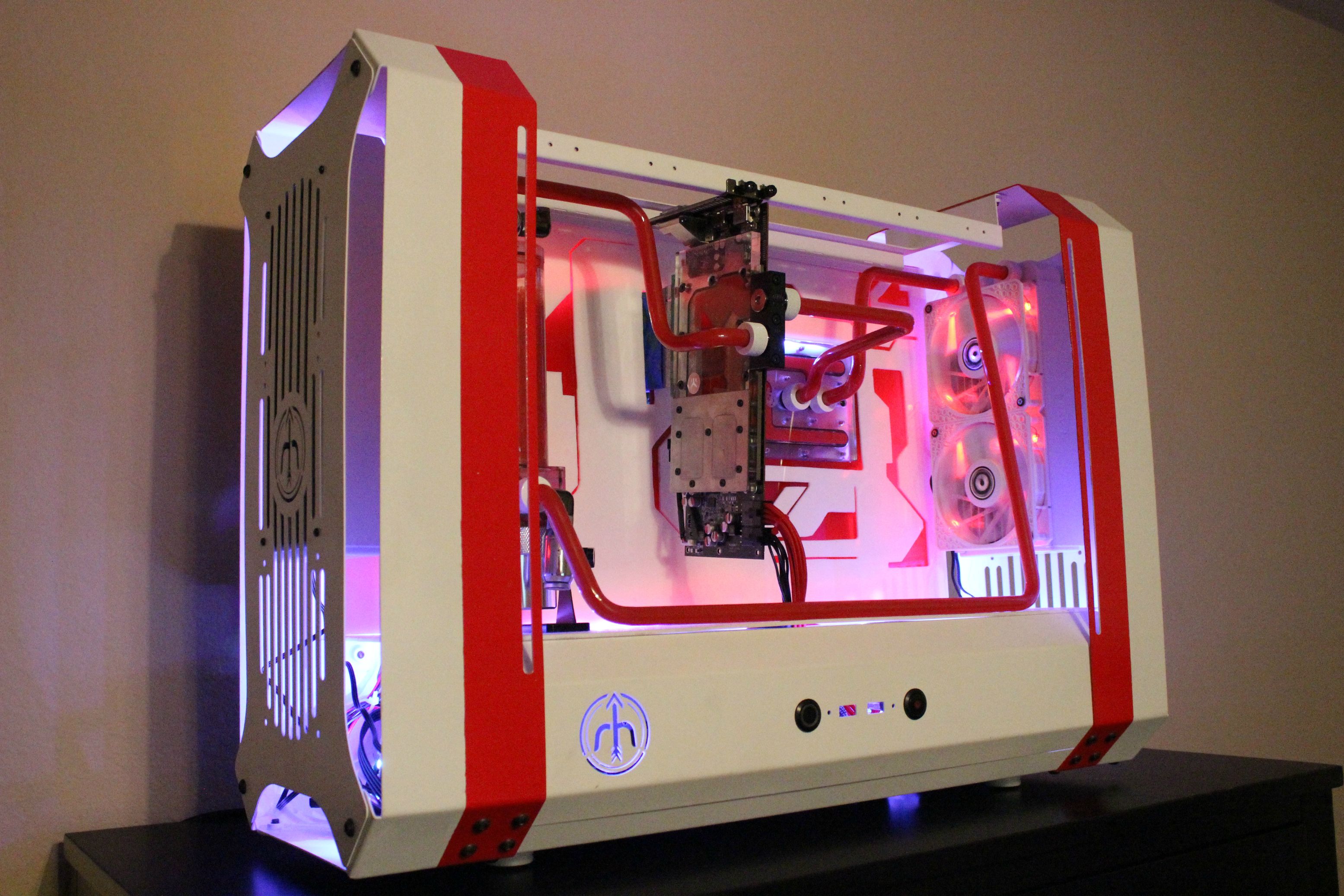
The Dawn of Personal Computing
The personal computer (PC) revolution began with the introduction of desktop computers, which brought computing power to the masses. Initially, these machines were large, cumbersome, and expensive, designed primarily for business use. However, as technology advanced, they became more accessible to the general public. The development of user-friendly operating systems and software applications made desktops a staple in homes and offices. These early PCs were characterized by their bulky monitors and separate components, such as keyboards and CPUs. Despite their size, they provided unprecedented computing capabilities, transforming the way people worked, learned, and communicated. As more manufacturers entered the market, competition drove innovation, leading to significant improvements in performance and affordability. This era laid the groundwork for future advancements, setting the stage for the evolution of more compact and portable computing devices.
The Rise of the Laptop
As the demand for mobility increased, the laptop emerged as a revolutionary step in personal computing. Laptops offered the convenience of portability without sacrificing too much power or functionality. They integrated all the essential components of a desktop into a single, compact unit, allowing users to work from virtually anywhere. This portability was particularly appealing to business professionals and students who required access to their work on the go. Over time, advancements in battery technology and energy-efficient processors extended the usability of laptops, making them a viable alternative to desktops. The ability to connect to wireless networks further enhanced their appeal, enabling users to stay connected to the internet and collaborate remotely. As laptops became more popular, manufacturers focused on improving their design, weight, and battery life, catering to the growing demand for mobile computing solutions.
Technological Innovations and Impact
The evolution from desktops to laptops was driven by several key technological innovations. Improvements in semiconductor technology allowed for the miniaturization of components, enabling the creation of smaller, more powerful devices. The development of LCD screens replaced the bulky CRT monitors, reducing the overall size and weight of computers. Additionally, advancements in storage technology, such as solid-state drives (SSDs), provided faster data access and increased reliability. These innovations not only improved the performance of laptops but also enhanced the user experience by making devices more responsive and efficient. The impact of these technological advancements extended beyond individual users, influencing industries such as education, healthcare, and entertainment. As laptops became more prevalent, they played a crucial role in facilitating remote work, online learning, and digital content creation, shaping the modern digital landscape.
The Role of Software in Evolution
Software development played a significant role in the transition from desktops to laptops. Operating systems evolved to support the unique requirements of portable devices, optimizing for power efficiency and user interface. Software applications became more versatile, allowing users to perform a wide range of tasks on their laptops, from word processing to graphic design. The rise of cloud computing further transformed the landscape, enabling users to store and access data online, reducing the reliance on local storage. This shift not only enhanced collaboration but also allowed for seamless integration across different devices. As software became more sophisticated, it pushed the boundaries of what laptops could achieve, driving demand for more powerful hardware. The interplay between hardware and software advancements continues to fuel innovation, ensuring that laptops remain a vital tool in personal and professional settings.
The Impact on Consumer Electronics
The transition from desktops to laptops has had a profound impact on the consumer electronics industry. As laptops became more popular, they influenced the design and functionality of other devices, such as tablets and smartphones. The demand for portable computing solutions spurred the development of hybrid devices that combine the features of laptops and tablets, offering users greater flexibility. This trend towards convergence has blurred the lines between different categories of consumer electronics, leading to the creation of versatile devices that cater to a wide range of needs. The influence of laptops is also evident in the growing emphasis on connectivity and integration, as consumers seek seamless experiences across their devices. As a result, manufacturers continue to innovate, pushing the boundaries of what is possible in the realm of personal computing and consumer electronics.
Challenges and Opportunities
While the evolution from desktops to laptops has brought numerous benefits, it also presents challenges and opportunities for manufacturers and consumers alike. One of the primary challenges is balancing performance with portability, as users demand lightweight devices without compromising on power or functionality. Additionally, ensuring long battery life remains a critical concern, as users expect their laptops to last throughout the day without frequent recharging. Security is another important consideration, as portable devices are more susceptible to theft and data breaches. However, these challenges also present opportunities for innovation, driving the development of new technologies and solutions. For example, advancements in battery technology and energy-efficient processors continue to improve the performance and longevity of laptops. Moreover, the growing emphasis on sustainability is encouraging manufacturers to explore eco-friendly materials and production processes, paving the way for a more sustainable future in personal computing.
The Future of Personal Computing
Looking ahead, the future of personal computing is likely to be shaped by emerging technologies and changing consumer preferences. The rise of artificial intelligence (AI) and machine learning is expected to enhance the capabilities of laptops, enabling more intuitive and personalized user experiences. As remote work and online learning become increasingly prevalent, the demand for powerful yet portable computing solutions will continue to grow. Additionally, the integration of virtual and augmented reality technologies holds the potential to transform the way we interact with our devices, offering new possibilities for entertainment, education, and collaboration. As technology continues to evolve, laptops will remain a central component of the personal computing ecosystem, adapting to meet the needs of a dynamic and interconnected world. The ongoing evolution from desktops to laptops underscores the importance of innovation in driving progress and shaping the future of personal computing.