The Impact of Artificial Intelligence on Consumer Electronics
Artificial Intelligence is revolutionizing consumer electronics, enhancing user experiences with smarter, more intuitive devices.
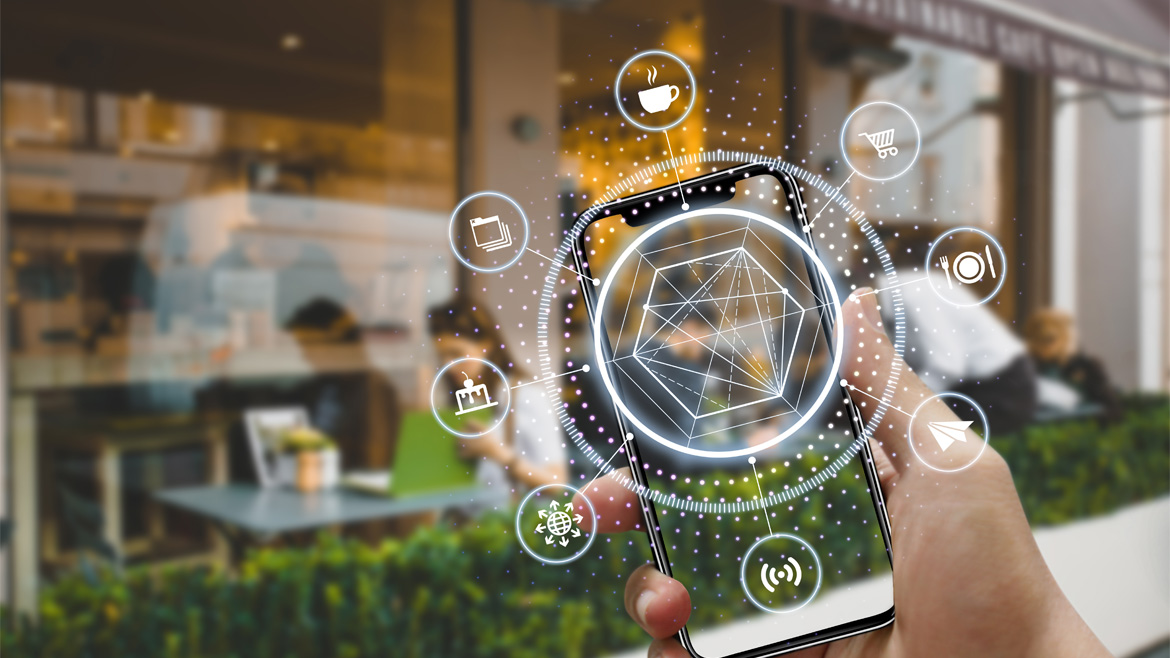
The Evolution of Consumer Electronics through AI
Revolutionizing User Experience
Artificial Intelligence (AI) has profoundly transformed the landscape of consumer electronics. By integrating AI, devices have become more intuitive, offering personalized experiences that cater to individual preferences. For instance, smartphones now utilize AI to enhance camera functionalities, enabling features such as scene recognition and improved photo quality. Voice assistants like Siri and Alexa have revolutionized how users interact with their devices, making it possible to control various functions through simple voice commands. These advancements not only improve user satisfaction but also drive higher engagement with the devices, making them indispensable in everyday life.
Enhanced Device Performance
AI significantly enhances the performance of consumer electronics. Smart TVs now come equipped with AI algorithms that recommend content based on viewing habits, providing a more tailored entertainment experience. Similarly, laptops and tablets use AI to optimize battery life and manage resources efficiently, ensuring smoother performance. This level of optimization extends the lifespan of devices and reduces the need for frequent upgrades, offering consumers better value for their money. The integration of AI in device performance is a game-changer, making electronics smarter and more efficient.
Smart Home Integration
The concept of the smart home has gained traction, thanks to AI. Devices like smart thermostats, lighting systems, and security cameras are now interconnected, creating a seamless and intelligent home environment. AI enables these devices to learn from user behavior, adjusting settings automatically for optimal comfort and security. For example, a smart thermostat can learn your daily routine and adjust the temperature accordingly, while smart lighting systems can mimic your presence to deter potential intruders. This integration not only enhances convenience but also contributes to energy efficiency and home safety.
Predictive Maintenance and Diagnostics
AI has also brought significant advancements in predictive maintenance and diagnostics for consumer electronics. Devices equipped with AI can monitor their own performance and predict potential issues before they become critical. For instance, smart appliances like refrigerators and washing machines can alert users about maintenance needs or potential malfunctions. This proactive approach minimizes downtime and extends the lifespan of devices, ensuring that they operate at peak efficiency. Consumers benefit from reduced repair costs and the assurance that their devices will function reliably.
Innovations in Wearable Technology
Wearable technology has seen remarkable innovations driven by AI. Smartwatches and fitness trackers now offer advanced health monitoring features, such as heart rate tracking, sleep analysis, and even stress level detection. AI algorithms analyze the collected data to provide personalized health insights and recommendations. This empowers users to make informed decisions about their health and well-being. Additionally, AI-powered wearables can detect irregularities in vital signs and alert users to seek medical attention if necessary, potentially saving lives. The integration of AI in wearables has made them essential tools for health and fitness enthusiasts.
AI in Consumer Electronics Retail
AI is also revolutionizing the retail experience for consumer electronics. Retailers are using AI to enhance customer service through chatbots and virtual assistants, providing instant support and product recommendations. AI-driven analytics help retailers understand consumer behavior, enabling them to optimize inventory management and personalize marketing strategies. This results in a more efficient shopping experience for consumers, who can find the products they need more easily. Additionally, AI-powered visual search tools allow customers to find products using images, further simplifying the shopping process. The impact of AI on retail is making it more responsive and customer-centric.
Challenges and Ethical Considerations
While AI brings numerous benefits to consumer electronics, it also presents challenges and ethical considerations. Privacy concerns are paramount, as AI systems often require access to personal data to function effectively. Ensuring that this data is handled securely and transparently is crucial to maintaining consumer trust. Additionally, the potential for bias in AI algorithms can lead to unfair outcomes, necessitating rigorous testing and validation. The rapid pace of AI development also raises questions about the long-term impact on employment, as automation could displace certain jobs. Addressing these challenges is essential to harnessing the full potential of AI in consumer electronics responsibly.
The Future of AI in Consumer Electronics
The future of AI in consumer electronics holds immense promise. As AI technology continues to evolve, we can expect even more sophisticated and interconnected devices. The development of edge computing will enable devices to process data locally, reducing latency and enhancing real-time decision-making. Innovations in natural language processing will make voice assistants even more intuitive and capable of understanding complex commands. Additionally, advancements in machine learning will drive further personalization, making devices more attuned to individual needs. The ongoing integration of AI in consumer electronics will undoubtedly shape a smarter, more efficient, and interconnected world.