The Importance of Cybersecurity in Consumer Electronics
With the rise of smart devices, ensuring robust cybersecurity in consumer electronics is more crucial than ever.
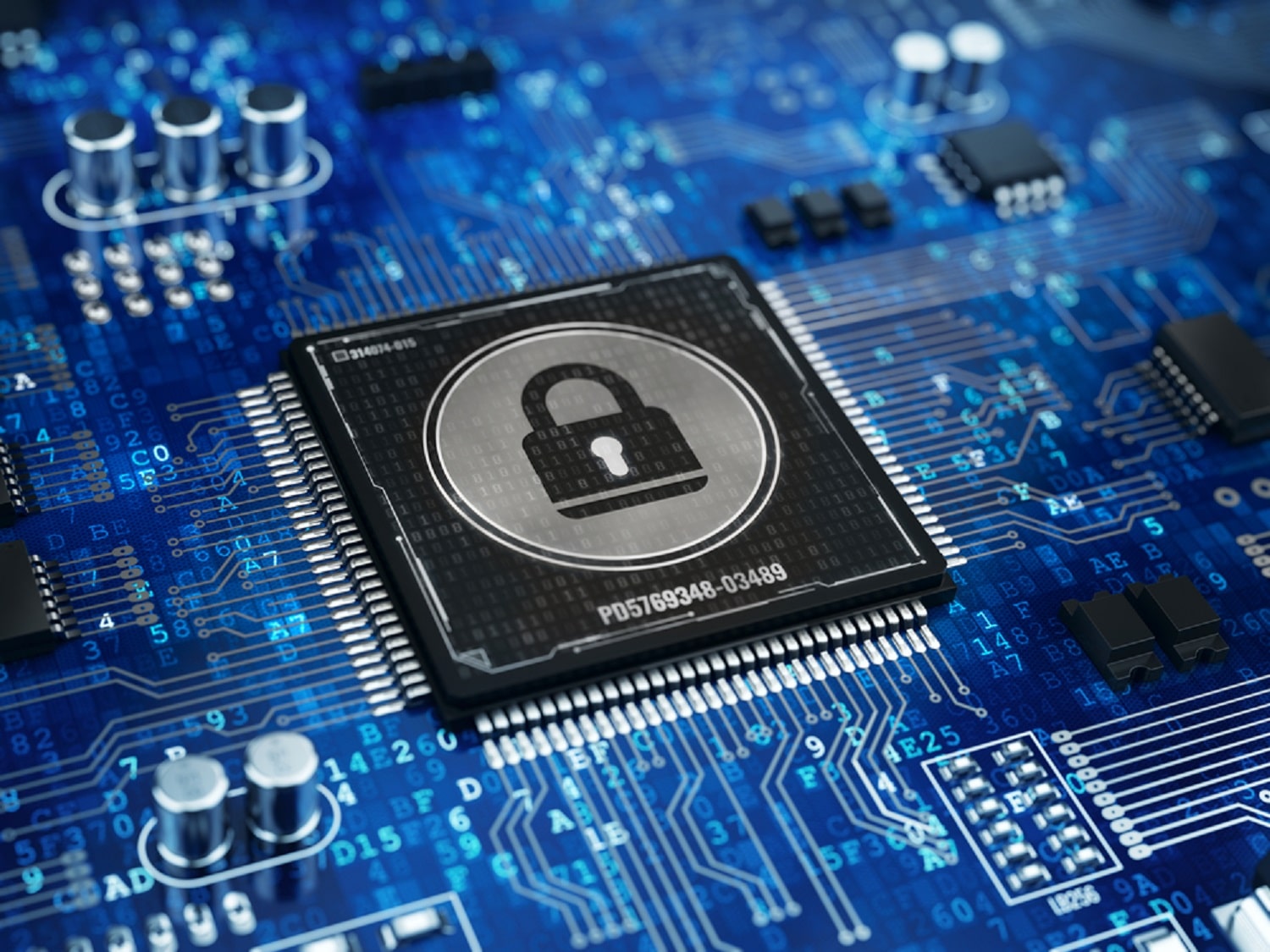
Understanding Cybersecurity in Consumer Electronics
In today's interconnected world, cybersecurity plays a pivotal role in the realm of consumer electronics. As devices become smarter and more interconnected, the potential for cyber threats increases exponentially. From smartphones and tablets to smart home devices and wearables, each gadget is a potential entry point for cybercriminals. The importance of securing these devices cannot be overstated. Without robust security measures, personal data can be compromised, leading to identity theft, financial loss, and privacy violations. Therefore, understanding the basics of cybersecurity is crucial for every consumer. It involves being aware of potential threats, knowing how to protect one's devices, and staying informed about the latest security updates and patches.
The Rise of Smart Devices and Associated Risks
The proliferation of smart devices has transformed our daily lives, offering convenience and efficiency. However, with this convenience comes the increased risk of cyber attacks. Smart devices, ranging from smart TVs to IoT-enabled refrigerators, often lack the robust security features found in more traditional computing devices. This vulnerability can be exploited by hackers to gain unauthorized access to networks and sensitive information. For instance, a compromised smart thermostat could potentially provide a backdoor into a home network. As such, it's imperative for consumers to ensure their smart devices are equipped with the latest security updates and to use strong, unique passwords for each device. Additionally, understanding the privacy settings of each device can help mitigate potential risks.
Data Privacy Concerns
With the integration of consumer electronics into our daily routines, the amount of personal data being collected and stored has skyrocketed. This data ranges from location information and shopping habits to health metrics and personal communications. The potential misuse of this data poses significant privacy concerns. Companies that manufacture and operate these devices often have access to this data, and if their systems are compromised, sensitive information could be leaked. Consumers must be vigilant about the privacy policies of the devices they use and should regularly review and update their privacy settings. Moreover, choosing devices from manufacturers that prioritize data security and privacy can help protect against unauthorized data access and breaches.
The Role of Manufacturers in Ensuring Security
Manufacturers of consumer electronics have a critical role to play in ensuring device security. As the first line of defense, they must incorporate strong security protocols during the design and production stages. This includes implementing secure software development practices, conducting regular security audits, and providing timely updates to patch vulnerabilities. Furthermore, manufacturers should educate consumers about the importance of maintaining device security and offer clear instructions on how to do so. By prioritizing cybersecurity, manufacturers can build trust with their customers and enhance the overall security landscape of consumer electronics.
The Consumer's Responsibility in Cybersecurity
While manufacturers have a significant role, consumers also bear responsibility for maintaining the security of their devices. This involves adopting good cybersecurity practices, such as regularly updating device software, using strong and unique passwords, and being cautious about the apps and services they install. Consumers should also be aware of phishing scams and other social engineering tactics used by cybercriminals to gain unauthorized access to their devices. Staying informed about the latest cybersecurity threats and trends can help consumers protect their personal information and maintain the integrity of their electronic devices.
The Impact of Cyber Attacks
Cyber attacks on consumer electronics can have far-reaching consequences. Beyond the immediate financial loss and privacy invasion, there are broader implications for society as a whole. Successful attacks can undermine trust in digital technologies and hinder the adoption of innovative solutions. In severe cases, they can disrupt essential services, such as healthcare or utilities, which increasingly rely on interconnected devices. This underscores the need for a collective effort to enhance cybersecurity across all sectors. By understanding the potential impact of cyber attacks, stakeholders can better prepare and implement effective security measures to mitigate these risks.
Emerging Technologies and Future Challenges
As technology continues to evolve, new challenges in cybersecurity emerge. The advent of technologies such as artificial intelligence, blockchain, and quantum computing presents both opportunities and threats to consumer electronics security. While these technologies can enhance security measures, they also introduce new vulnerabilities that need to be addressed. For instance, AI-powered devices may be susceptible to manipulation if not properly secured. Therefore, ongoing research and development are essential to stay ahead of potential threats. By anticipating future challenges and investing in innovative security solutions, the industry can ensure that consumer electronics remain safe and secure.
Building a Culture of Cybersecurity Awareness
Creating a culture of cybersecurity awareness is crucial for the long-term security of consumer electronics. This involves not only educating consumers and manufacturers but also fostering collaboration between governments, industry leaders, and security experts. Public awareness campaigns, cybersecurity training programs, and international cooperation can all contribute to a more secure digital environment. By promoting a proactive approach to cybersecurity, we can empower individuals to protect their devices and personal information. Ultimately, a collective commitment to cybersecurity will ensure that consumer electronics continue to enhance our lives without compromising our security or privacy.