The Ultimate Guide to Debt Management
Discover effective strategies and tips for managing and reducing debt in our comprehensive guide to debt management.
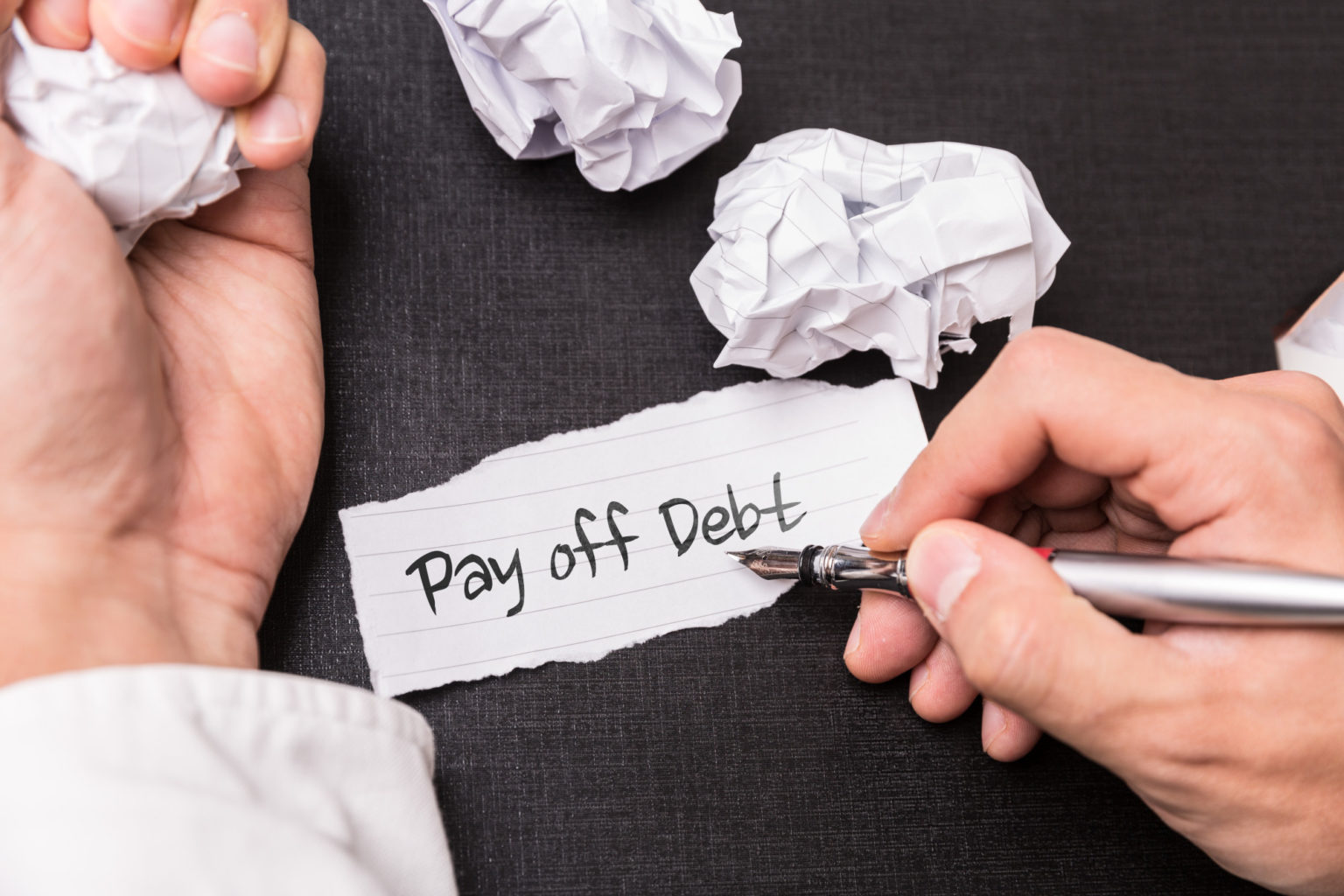
Understanding Debt Management
Debt management is the process of strategically handling your debts to minimize financial stress and improve your overall financial health. It involves creating a plan to pay off your existing debts while avoiding new ones. Effective debt management requires discipline, patience, and a clear understanding of your financial situation. By taking control of your debt, you can work towards financial stability and peace of mind. Whether you're dealing with credit card debt, student loans, or mortgages, having a structured approach can make a significant difference in achieving your financial goals.
Assessing Your Debt Situation
The first step in debt management is to assess your current debt situation. This involves listing all your debts, including the amount owed, interest rates, and minimum monthly payments. Understanding the total amount of debt you have and the terms of each debt will help you prioritize which debts to tackle first. It's crucial to have a clear picture of your financial landscape before you can develop an effective debt management plan. This assessment will serve as the foundation for your strategy and allow you to track your progress over time.
Creating a Budget
A well-structured budget is essential for effective debt management. Start by listing all your sources of income and monthly expenses. Categorize your expenses into fixed (e.g., rent, utilities) and variable (e.g., groceries, entertainment). Identify areas where you can cut back to free up money for debt repayment. A budget will help you allocate funds towards paying off your debts while ensuring you have enough for essential living expenses. Regularly reviewing and adjusting your budget is key to staying on track with your debt management plan.
Prioritizing Debt Repayment
Once you have a clear understanding of your debts and a budget in place, the next step is to prioritize your debt repayment. There are several strategies you can use, such as the debt snowball method, which focuses on paying off the smallest debts first, or the debt avalanche method, which targets debts with the highest interest rates. Choose a strategy that aligns with your financial goals and motivates you to stay committed. Prioritizing your debts will help you make consistent progress and reduce the overall interest you pay over time.
Exploring Debt Consolidation
Debt consolidation is an option worth considering if you have multiple high-interest debts. This involves combining all your debts into a single loan with a lower interest rate. By doing so, you can simplify your monthly payments and potentially save money on interest. However, it's important to carefully evaluate the terms and fees associated with a consolidation loan. While debt consolidation can provide relief, it's not a one-size-fits-all solution and may not be suitable for everyone. Assess your financial situation and consult with a financial advisor if needed.
Negotiating with Creditors
If you're struggling to keep up with your debt payments, consider negotiating with your creditors. Many creditors are willing to work with you to create a more manageable repayment plan. This could involve lowering your interest rates, reducing your monthly payments, or extending the repayment period. Be proactive and communicate openly with your creditors about your financial difficulties. Negotiating with creditors can provide temporary relief and prevent your debts from spiraling out of control. It's important to approach these discussions with a clear plan and realistic expectations.
Seeking Professional Help
Sometimes, managing debt on your own can be overwhelming. In such cases, seeking professional help from a credit counseling agency or financial advisor can be beneficial. These professionals can provide personalized advice and assist you in creating a debt management plan tailored to your needs. They can also help you explore options like debt settlement or bankruptcy if necessary. While professional help comes with costs, the guidance and support you receive can be invaluable in navigating your debt repayment journey.
Maintaining Financial Discipline
Effective debt management requires ongoing financial discipline. This means sticking to your budget, avoiding unnecessary expenses, and making timely debt payments. Building an emergency fund can also provide a financial cushion and prevent you from accumulating new debt in case of unexpected expenses. Regularly reviewing your financial situation and adjusting your plan as needed is crucial for long-term success. By maintaining financial discipline, you can gradually reduce your debt and work towards achieving financial freedom.