Top Tips for Reducing Monthly Expenses
Discover practical strategies to cut down on your monthly expenses and boost your savings with these top tips.
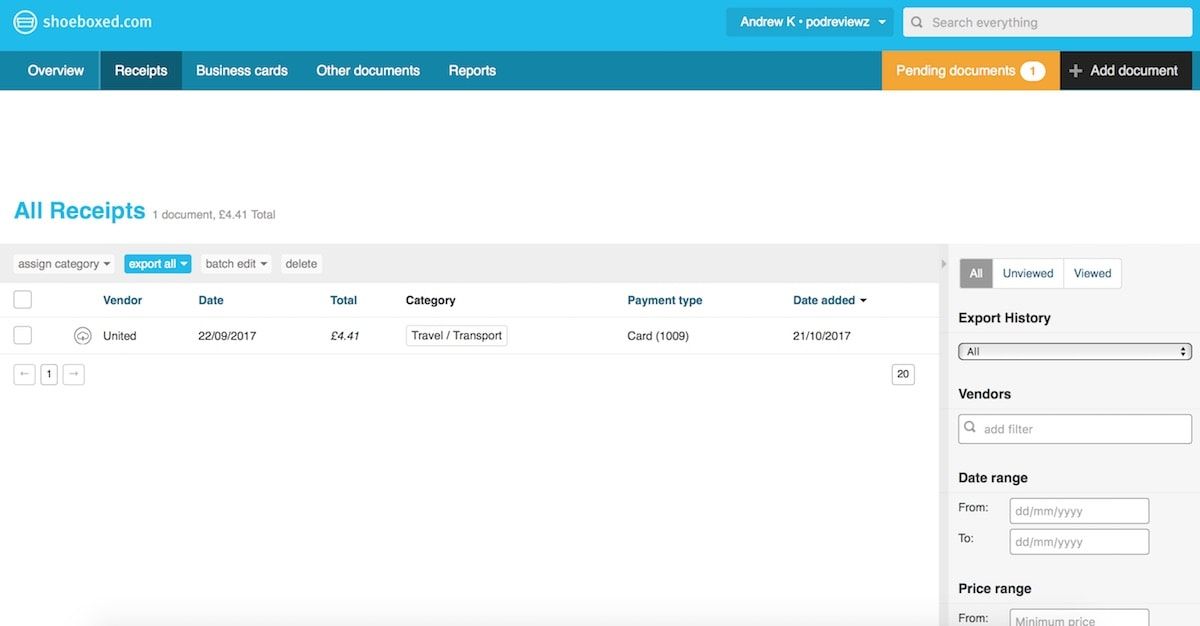
Assess Your Spending Habits
The first step to reducing your monthly expenses is to assess your spending habits. Take a close look at your bank statements and credit card bills from the past few months. Identify areas where you are spending more than necessary. Are you dining out frequently or indulging in impulse purchases? Categorize your expenses into needs and wants. By distinguishing between essential and non-essential spending, you can start to see where you can cut back. This process not only helps you understand your financial behavior but also sets the stage for making more informed decisions moving forward.
Create a Realistic Budget
Once you have a clear understanding of your spending habits, the next step is to create a realistic budget. A budget acts as a financial roadmap, guiding you on how to allocate your income effectively. Start by listing all your sources of income and then itemize your expenses. Make sure to prioritize essential expenses like rent, utilities, and groceries. Allocate a specific amount for discretionary spending and stick to it. Use budgeting tools or apps to help you track your spending in real-time. A well-planned budget can serve as a powerful tool in helping you achieve your financial goals.
Cut Down on Subscriptions
Monthly subscriptions can quietly drain your finances without you even realizing it. From streaming services to gym memberships, these recurring charges can add up quickly. Take an inventory of all your subscription services and evaluate their necessity. Cancel any subscriptions that you rarely use or can live without. Consider sharing subscriptions with family members or friends to split the cost. Some services offer annual subscriptions at a discounted rate, which could save you money in the long run. Being mindful of your subscriptions can lead to significant savings over time.
Shop Smart for Groceries
Grocery shopping is a major monthly expense for most households, but there are ways to shop smart and save money. Start by planning your meals for the week and creating a shopping list based on those meals. Stick to the list to avoid impulse purchases. Take advantage of sales, coupons, and loyalty programs to reduce your grocery bill. Buying in bulk can also be cost-effective for non-perishable items. Additionally, consider purchasing store brands instead of name brands as they are often cheaper but of similar quality. By being strategic with your grocery shopping, you can significantly reduce your monthly expenses.
Reduce Utility Bills
Utility bills can be a substantial part of your monthly expenses, but there are ways to reduce these costs. Simple changes like turning off lights when not in use, using energy-efficient appliances, and setting your thermostat to a moderate temperature can make a big difference. Consider installing a programmable thermostat to better control your heating and cooling costs. Unplugging electronics when they are not in use can also help reduce energy consumption. Additionally, some utility companies offer budget billing plans that spread your costs evenly throughout the year, making it easier to manage your monthly expenses.
Limit Dining Out and Entertainment
Dining out and entertainment can quickly eat into your budget if not managed properly. Consider limiting the frequency of these activities and look for cost-effective alternatives. Cooking at home not only saves money but can also be a fun and rewarding experience. Plan your outings and take advantage of discounts, happy hours, or special promotions. For entertainment, explore free or low-cost options like community events, outdoor activities, or streaming services. By being mindful of your spending in these areas, you can enjoy a fulfilling lifestyle without breaking the bank.
Review and Adjust Regularly
Financial planning is not a one-time task; it requires ongoing attention and adjustments. Make it a habit to review your budget and spending habits regularly. Set aside time each month to go over your finances and identify any areas where you can improve. Life circumstances change, and your budget should reflect those changes. Whether it's a salary increase, a new expense, or a change in financial goals, being proactive about reviewing and adjusting your budget ensures that you stay on track. Continuous monitoring and adjustment are key to maintaining financial health and reducing monthly expenses.