Understanding Credit Scores and How to Improve Them
Discover the essentials of credit scores, their impact on your financial health, and effective strategies to boost your score.
What is a Credit Score?
A credit score is a numerical representation of your creditworthiness, typically ranging from 300 to 850. This score is calculated based on your credit history, which includes your payment history, the amount of debt you have, the length of your credit history, and more. Lenders use credit scores to determine the likelihood that you will repay borrowed money. A higher credit score can lead to better loan terms and lower interest rates, while a lower score can make it more challenging to secure credit. Understanding your credit score is the first step in managing your personal finances effectively.
Factors Influencing Your Credit Score
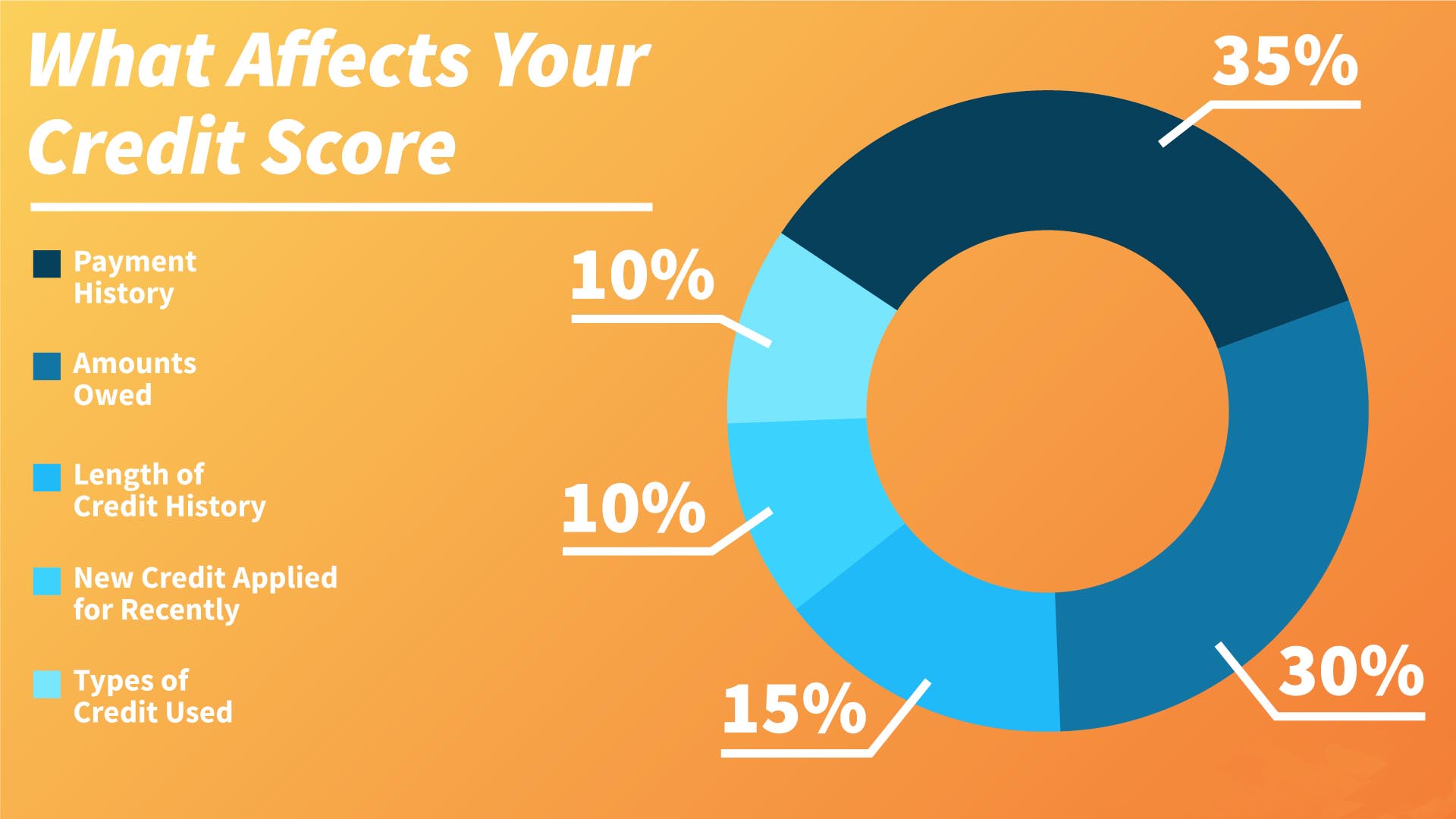
Several key factors influence your credit score. Payment history is one of the most critical components, as it shows whether you have paid past credit accounts on time. The amount of debt you owe, often referred to as your credit utilization ratio, also plays a significant role. Other factors include the length of your credit history, the types of credit accounts you have, and recent credit inquiries. By understanding these factors, you can take targeted actions to improve your score. For example, consistently paying your bills on time and reducing your overall debt can have a positive impact on your credit score.
The Importance of a Good Credit Score
A good credit score is essential for several reasons. It can affect your ability to secure loans for major purchases such as a home or car. Additionally, it can influence the interest rates you are offered, with higher scores typically resulting in lower rates. A good credit score can also impact other areas of your life, such as your ability to rent an apartment or even your employment prospects. Many employers and landlords check credit scores as part of their evaluation process. Therefore, maintaining a good credit score is crucial for achieving financial stability and accessing various opportunities.
Common Credit Score Myths
There are several myths surrounding credit scores that can lead to misunderstandings. One common myth is that checking your own credit score will lower it. In reality, checking your own credit is considered a soft inquiry and does not affect your score. Another myth is that closing old credit accounts will improve your score. However, closing accounts can actually shorten your credit history and increase your credit utilization ratio, both of which can negatively impact your score. By debunking these myths, you can make more informed decisions about managing your credit.
Steps to Improve Your Credit Score
Improving your credit score requires a strategic approach. Start by reviewing your credit report to identify any errors or discrepancies that may be negatively affecting your score. Dispute any inaccuracies with the credit bureaus. Next, focus on paying down existing debt, particularly high-interest debt, to lower your credit utilization ratio. Consistently making on-time payments is crucial, as payment history is a significant factor in your score. Additionally, avoid opening too many new credit accounts in a short period, as this can lead to multiple hard inquiries and lower your score. By taking these steps, you can gradually improve your credit score over time.
Monitoring Your Credit Score
Regularly monitoring your credit score is essential for maintaining financial health. Many financial institutions and credit bureaus offer free access to your credit score, allowing you to track changes and identify potential issues early. Monitoring your score can help you stay on top of your financial obligations and make necessary adjustments to improve your creditworthiness. Additionally, it can alert you to any fraudulent activity or identity theft, enabling you to take swift action to protect your credit. By keeping a close eye on your credit score, you can ensure that you are always in a strong financial position.
Seeking Professional Help
If you find it challenging to manage your credit score on your own, consider seeking professional help. Credit counseling services can provide guidance on budgeting, debt management, and credit improvement strategies. These services often offer personalized advice tailored to your specific financial situation. Additionally, some organizations can help you negotiate with creditors to reduce interest rates or create more manageable payment plans. While professional help can be beneficial, it's essential to choose a reputable service to avoid scams or high fees. By seeking professional assistance, you can gain the support you need to improve your credit score and achieve your financial goals.