Understanding the Internet of Things: A Comprehensive Guide
Explore the Internet of Things, its impact on daily life, key technologies, and future trends in this comprehensive guide.
Introduction to IoT
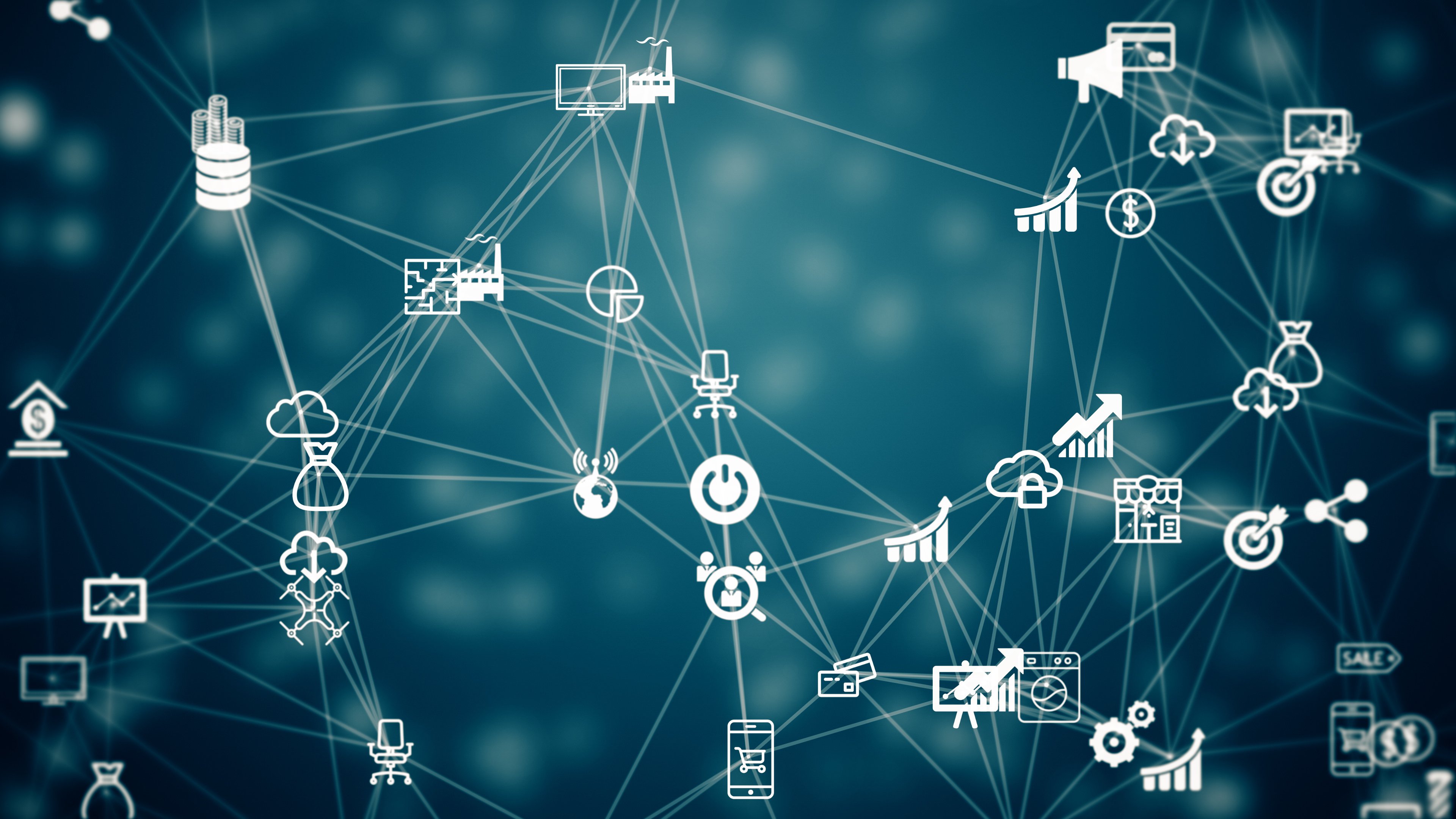
The Internet of Things (IoT) refers to the network of interconnected devices that communicate with each other over the internet. These devices range from everyday household items like refrigerators and thermostats to complex industrial machinery. The fundamental idea is to embed sensors and software in these devices, enabling them to collect and exchange data. This connectivity allows for more efficient processes, improved productivity, and innovative solutions across various industries. Understanding IoT is crucial as it continues to transform how we interact with technology, enhancing our daily lives and offering new business opportunities.
How IoT Works
At its core, IoT relies on a combination of sensors, connectivity, data processing, and user interfaces. Sensors collect data from the environment, which is then transmitted through a network, often the internet, to a central system for processing. This data can be analyzed in real-time or stored for future use. The processed information is then delivered to the user through an interface, such as a smartphone app or web portal, allowing them to make informed decisions. The seamless integration of these components is what enables IoT devices to function effectively and provide valuable insights.
Applications of IoT
IoT has a wide range of applications, from smart homes to industrial automation. In smart homes, IoT devices like smart thermostats, lights, and security cameras provide convenience and energy efficiency. In healthcare, wearable devices monitor patient vitals and transmit data to healthcare providers for timely interventions. The industrial sector benefits from IoT through predictive maintenance and supply chain optimization. The agricultural industry uses IoT for precision farming, enhancing crop yields and reducing waste. These examples highlight how IoT is revolutionizing various sectors, offering solutions that were once thought impossible.
Security Concerns in IoT
With the proliferation of IoT devices, security has become a significant concern. As these devices collect sensitive data, they become attractive targets for cybercriminals. Ensuring the security of IoT devices involves several measures, including robust encryption, regular software updates, and secure authentication protocols. Manufacturers and users must be aware of the potential risks and take proactive steps to protect their devices and data. Despite these challenges, advancements in security technologies are continuously evolving to address these concerns, making IoT a safer proposition for consumers and businesses alike.
IoT and Big Data
The relationship between IoT and big data is symbiotic. IoT devices generate vast amounts of data, which, when analyzed, can provide valuable insights into patterns and trends. This data can help businesses make informed decisions, improve customer experiences, and optimize operations. Big data analytics tools are essential for processing and interpreting the massive datasets generated by IoT devices. By leveraging big data, organizations can unlock the full potential of IoT, turning raw data into actionable intelligence that drives innovation and efficiency.
The Role of Artificial Intelligence in IoT
Artificial Intelligence (AI) plays a crucial role in enhancing the capabilities of IoT devices. AI algorithms can process and analyze the data collected by IoT sensors, enabling devices to learn and adapt to user behavior. This integration allows for more personalized and intelligent interactions, such as voice-activated assistants that understand and predict user preferences. AI also aids in anomaly detection, identifying irregularities in data that may indicate potential issues or opportunities for improvement. The combination of AI and IoT is paving the way for a smarter, more connected world.
Challenges in IoT Implementation
Despite its potential, IoT implementation comes with several challenges. Interoperability is a significant hurdle, as devices from different manufacturers may not communicate seamlessly. Additionally, the sheer volume of data generated by IoT devices can overwhelm existing infrastructure, necessitating upgrades and investments in data management solutions. Privacy concerns also arise, as the data collected by IoT devices can be sensitive and personal. Addressing these challenges requires collaboration between technology developers, policymakers, and end-users to create standards and regulations that ensure the smooth integration of IoT technologies.
The Future of IoT
The future of IoT is bright, with continuous advancements in technology and increased adoption across industries. As 5G networks become more widespread, the connectivity and speed required for IoT devices will improve significantly. This will enable new applications and innovations, such as autonomous vehicles and smart cities. The development of edge computing will also play a crucial role, allowing data processing to occur closer to the source, reducing latency and improving efficiency. As IoT evolves, it will continue to reshape our world, offering exciting possibilities and transforming the way we live and work.