Wireless Technology: How It's Transforming Connectivity
Wireless technology is revolutionizing how we connect, offering faster speeds, greater mobility, and seamless integration across devices.
The Rise of Wireless Technology
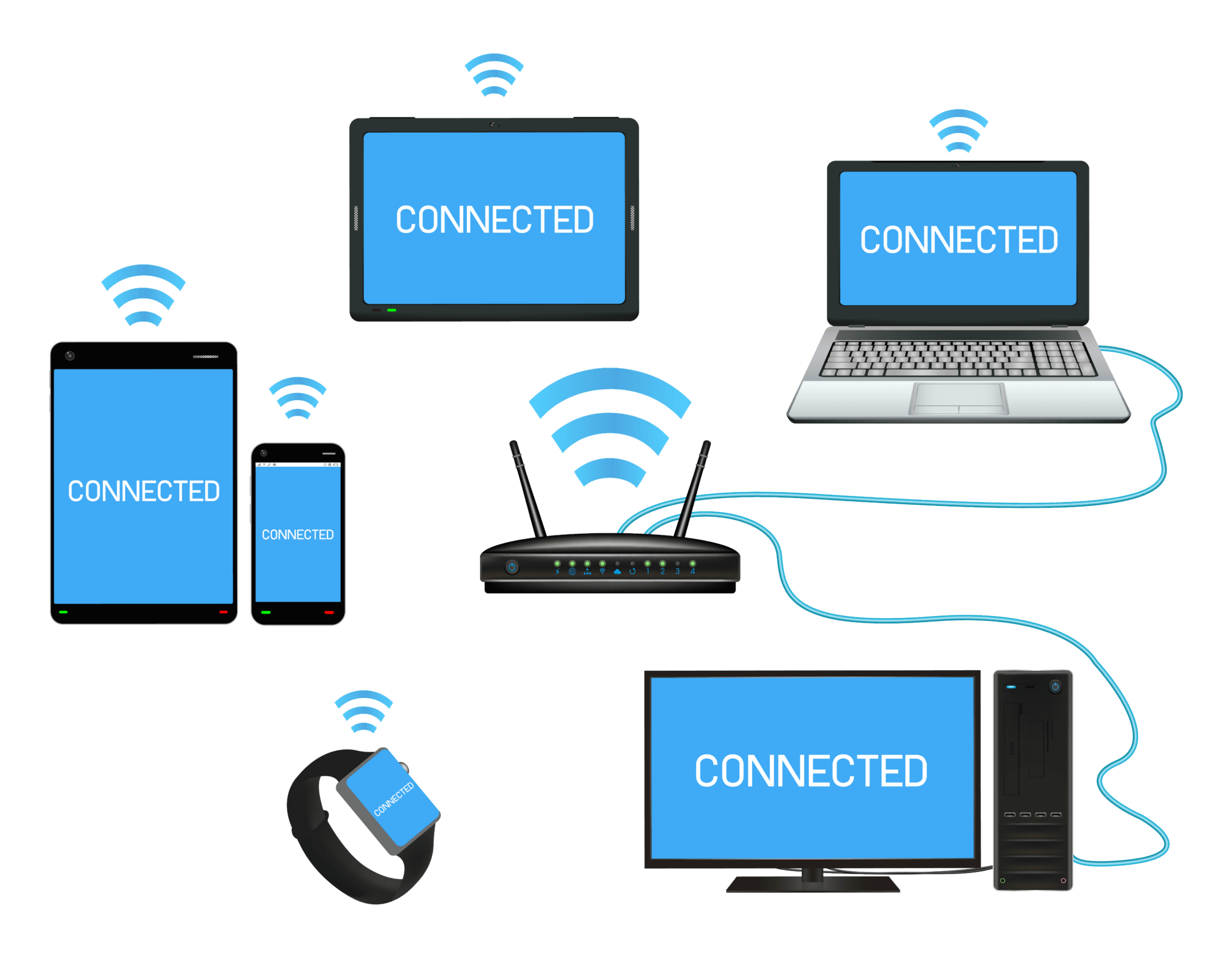
In the realm of computers and consumer electronics, wireless technology has emerged as a game-changer, transforming the way we connect and communicate. From the early days of radio transmission to the sophisticated systems we have today, wireless technology has evolved dramatically. It has removed the constraints of physical connections, allowing for seamless communication across vast distances. This shift not only enhances convenience but also opens up a plethora of possibilities for innovation. Devices that once relied on cumbersome wires can now operate freely, providing users with unparalleled mobility and flexibility. As we continue to explore the capabilities of wireless technology, it becomes evident that its impact is profound, reshaping industries and everyday life.
Enhancing Mobile Connectivity
The advent of wireless technology has significantly improved mobile connectivity, making it more reliable and widespread. With the proliferation of smartphones and tablets, the demand for robust wireless connections has skyrocketed. Technologies such as Wi-Fi and Bluetooth have become ubiquitous, enabling devices to connect seamlessly to networks and each other. This connectivity is crucial for various applications, from streaming media to conducting business on the go. Moreover, advancements in wireless standards, like 5G, promise even faster and more stable connections, revolutionizing how we access information and communicate. These developments ensure that users can remain connected virtually anywhere, enhancing productivity and entertainment options.
Revolutionizing Home Automation
Wireless technology is at the heart of the smart home revolution, transforming ordinary homes into interconnected hubs of automation. Devices such as smart thermostats, lights, and security systems rely on wireless protocols to communicate and function harmoniously. This interconnectedness allows homeowners to control their environment remotely, using smartphones or voice commands. The convenience of managing home systems wirelessly enhances energy efficiency and security, providing peace of mind. Furthermore, the integration of artificial intelligence with wireless technology enables these systems to learn user preferences, offering personalized experiences. As more devices become part of this ecosystem, the potential for innovation in home automation continues to grow.
Impact on Healthcare
In the healthcare sector, wireless technology is revolutionizing patient care and medical practices. Wearable devices equipped with wireless sensors monitor vital signs in real-time, providing healthcare professionals with crucial data. This capability enables remote patient monitoring, reducing the need for frequent hospital visits and allowing for timely interventions. Wireless technology also facilitates telemedicine, connecting patients with doctors across distances, making healthcare more accessible. These advancements not only improve patient outcomes but also optimize healthcare resources. As wireless technology continues to evolve, its integration into medical devices and systems will likely lead to even more groundbreaking innovations in healthcare.
Transforming Industrial Operations
Industries are leveraging wireless technology to enhance operational efficiency and productivity. In manufacturing, wireless sensors and networks facilitate the real-time monitoring of equipment and processes, enabling predictive maintenance and reducing downtime. This technology also supports the implementation of the Industrial Internet of Things (IIoT), where interconnected devices communicate and collaborate to optimize production. In logistics, wireless tracking systems ensure the seamless movement of goods, improving supply chain efficiency. The flexibility and scalability offered by wireless solutions allow industries to adapt quickly to changing demands and technological advancements, positioning them for future success.
Expanding Educational Opportunities
Wireless technology is playing a pivotal role in transforming education, making learning more accessible and interactive. With the advent of wireless networks, educational institutions can offer digital resources and online courses to students worldwide. This connectivity enables students to access a wealth of information and collaborate with peers, regardless of geographical barriers. Interactive tools and platforms enhance the learning experience, fostering engagement and understanding. Additionally, wireless technology supports innovative teaching methods, such as virtual reality and augmented reality, providing immersive educational experiences. As wireless infrastructure continues to improve, the potential for expanding educational opportunities and bridging knowledge gaps is immense.
Shaping the Future of Connectivity
As we look to the future, the impact of wireless technology on connectivity is expected to grow even more profound. Emerging technologies, such as the Internet of Things (IoT) and smart cities, rely heavily on robust wireless networks to function effectively. These advancements promise to create a more interconnected world, where devices communicate seamlessly to improve efficiency and quality of life. The ongoing development of wireless standards and infrastructure will support these innovations, ensuring that connectivity remains at the forefront of technological progress. As we embrace these changes, the potential for wireless technology to transform connectivity and drive future innovations is limitless.